Ballroom Culture in NYC: Vogueing Walking and House Legacy
Ballroom culture in NYC is a vibrant tapestry of expression, resilience, and community, showcased vividly through the art of voguing.
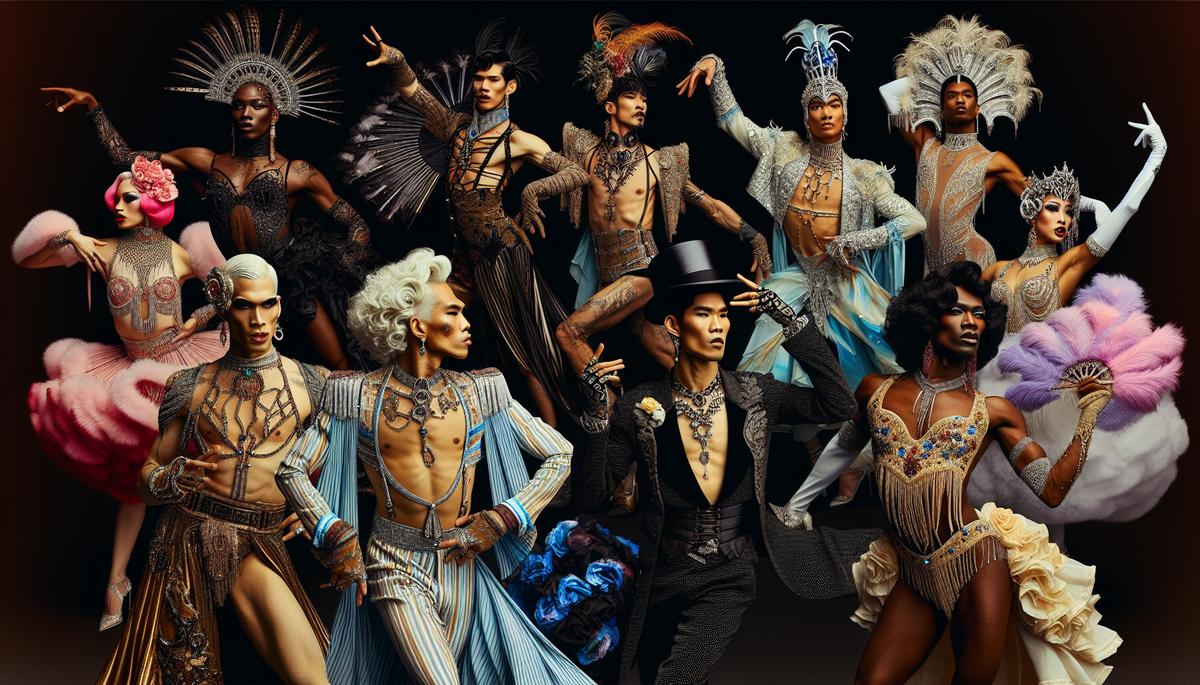
Ballroom Culture in NYC: A Legacy of Expression
As I stepped into the iconic Stonewall Inn on a brisk April evening, the air was electrified with anticipation. This historic venue, a sanctuary for LGBTQIA+ individuals for decades, was hosting a voguing competition that would soon become one of the highlights of my month. For those unfamiliar, voguing is more than just a dance; it is an art form that originated in the Harlem ballroom scene during the 1980s, characterized by its stylized poses and dramatic flair.
Throughout the night, I witnessed the fierce competition among houses, each representing a unique lineage and ethos within the ballroom community. The House of Xtravaganza, known for its rich history and notable alumni like the legendary Angel Xtravaganza, showcased an array of talent that left the crowd in awe. I found myself entranced by the skillful performances, as dancers embodied the spirit of their predecessors while pushing the boundaries of creativity.
Another notable house, the House of Ninja, brought a different flavor to the stage. With their innovative choreography and striking costumes, they paid homage to the roots of voguing while infusing it with a contemporary twist. The energy in the room was palpable, as spectators cheered and clapped, celebrating not just the artistry on display but the shared history that brought us all together.
As I mingled with attendees, I learned that many were drawn to the ballroom scene not only for the dance but for the sense of belonging it fosters. It serves as a refuge for those often marginalized in society, creating a family-like environment where self-expression is celebrated. I had the privilege of speaking with several members of the community, who shared their personal stories of resilience and empowerment, underscoring the importance of maintaining this vibrant culture.
To fully appreciate the legacy of ballroom culture, one must also acknowledge the pivotal role of the legendary Paris Is Burning documentary, released in 1990. It immortalized the lives and struggles of ballroom participants, highlighting the intersections of race, gender, and sexuality. As I stood in that room, surrounded by performers and allies, I felt the weight of their stories and the enduring impact of their art.
As the night drew to a close, I couldn’t help but feel hopeful for the future of ballroom culture in New York City. Events like these are not just celebrations of dance; they are affirmations of identity and community. The spirit of voguing continues to thrive, reminding us all of the power of expression in the face of adversity. With venues like the Stonewall Inn hosting such events, the legacy of the ballroom scene remains alive and vibrant, ensuring that the rhythm of this culture will echo through the streets of NYC for generations to come.