Books Becoming the Best TV Shows: Adaptation Fever
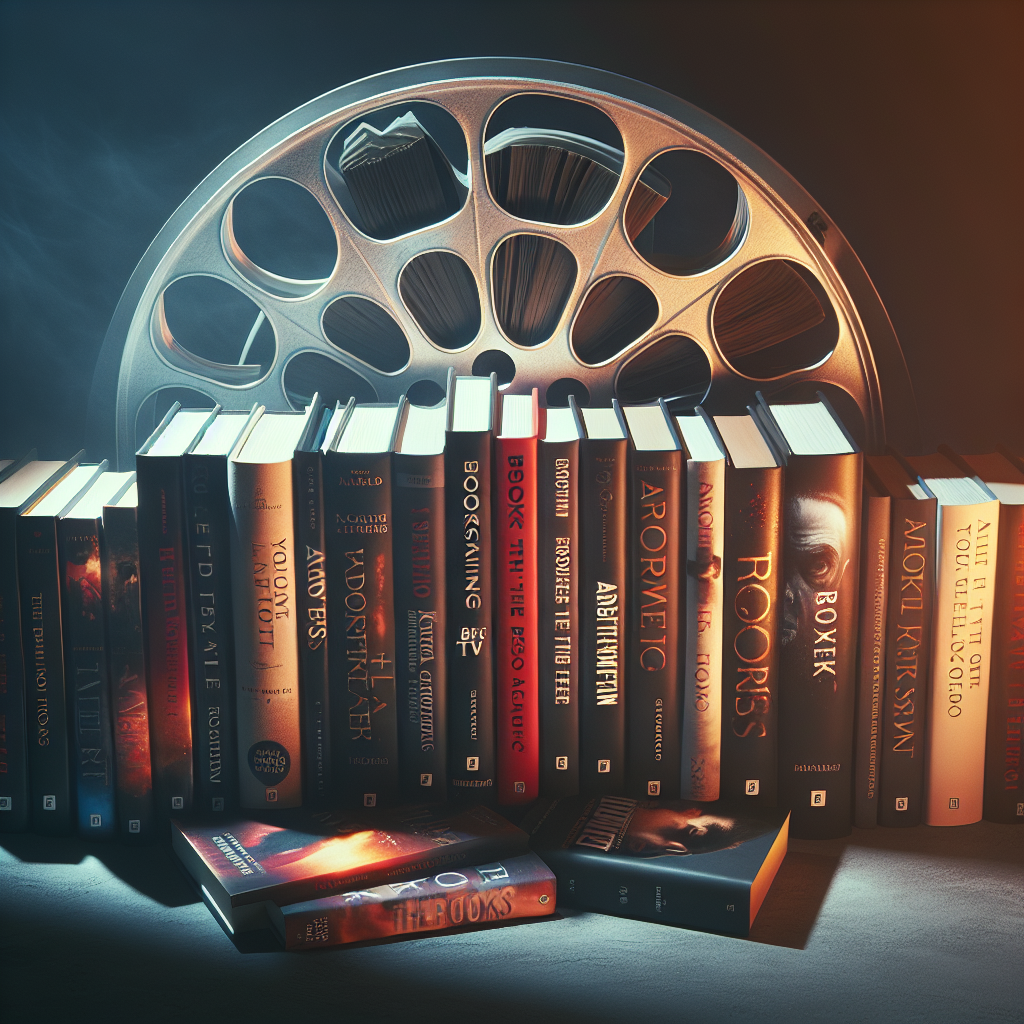
In the ever-evolving landscape of modern entertainment, the once sacred line between literature and television has become increasingly blurred. The surge in book-to-TV adaptations is not just a trend; it's a full-blown cultural phenomenon. As streaming platforms vie for dominance, they are mining the depths of literary gold, transforming beloved novels into binge-worthy shows that captivate both avid readers and new audiences alike. This adaptation fever shows no signs of abating, raising intriguing questions about the future of storytelling.
Book-to-TV adaptations are not a new concept, yet their recent prominence is staggering. The digital age, with its diverse streaming options, has revolutionized how stories are consumed. Traditional networks, once bound by time slots and seasonal programming, now compete with platforms like Netflix, Amazon Prime, and HBO Max, which have democratized access to content. In this environment, novels provide a treasure trove of source material ready to be explored in serialized formats.
The allure of adapting books into TV shows lies in the narrative depth that literature offers. A novel's rich, intricate plotlines and developed characters often translate more naturally into episodic storytelling than into feature films, which are constrained by a two-hour runtime. This allows for a more faithful adaptation, satisfying die-hard fans and offering writers, directors, and actors a wealth of material to draw from.
Recent successes underscore the potency of this approach. Consider "The Queen's Gambit," Walter Tevis's 1983 novel that Netflix brought to life in 2020. The series became an instant cultural touchstone, not only for its gripping portrayal of a chess prodigy's rise but also for its visually stunning and emotionally resonant storytelling. Similarly, "Bridgerton," adapted from Julia Quinn's series of romance novels, captivated audiences with its lush depiction of Regency-era London, becoming a defining hit for Netflix.
The appetite for adaptation is reflected in the heavy investments made by streaming giants. Amazon's bold acquisition of the global television rights to J.R.R. Tolkien's "The Lord of the Rings" for a reported $250 million is indicative of the high stakes involved. The project, which aims to expand upon Tolkien's universe with a multi-season series, highlights the potential longevity and profitability of adapting beloved literary works.
Yet, the transition from page to screen is fraught with challenges. Literary purists often express concern over the fidelity of adaptations, wary of creative liberties that may alter the source material's essence. The task of condensing or expanding a novel's narrative to fit episodic formats requires a delicate balance; too much deviation can alienate fans, while too little can result in a lackluster retelling.
Despite these challenges, the symbiotic relationship between literature and television continues to flourish. The role of authors in the adaptation process has evolved, with many now taking active roles in scripting and producing. George R.R. Martin's involvement in HBO's "Game of Thrones" series exemplifies how authors can help preserve the integrity of their creations while exploring new creative avenues.
The rise of adaptations also highlights a shift in audience dynamics. Viewers are increasingly seeking out the original novels upon which their favorite shows are based, creating a reciprocal relationship where television drives book [Amazon] sales and vice versa. This intertextuality enriches the cultural dialogue, inviting audiences to engage with stories in multifaceted ways.
Looking ahead, the trajectory of book-to-TV adaptations is poised for growth. As streaming platforms continue to expand globally, the demand for diverse narratives will likely lead to a broader range of voices and stories being adapted. This could signal an exciting era of inclusivity, with adaptations showcasing a spectrum of cultural perspectives and experiences.
Ultimately, the fervor surrounding adaptations speaks to the enduring power of storytelling. Whether experienced through the written word or the moving image, stories have an unparalleled ability to connect, inspire, and entertain. As television continues to embrace the world of literature, audiences can look forward to a wealth of narratives that challenge, comfort, and captivate, one episode at a time.