The line for the elevator at 56 Bogart Street started forming before the doors opened at noon. By one o'clock, it stretched down the block, past the loading dock where a sculptor was welding a piece in full view of the crowd, and around the corner onto Harrison Place. Inside the building, which houses roughly 80 artist studios across five floors, every door was open. Paintings lined the corridors. Sculptures occupied the freight elevator landings. A printmaker had set up a working press in the hallway and was pulling editions for anyone willing to wait. The air smelled like turpentine and coffee and the particular energy of a community that has thrown open its doors and invited the world in.
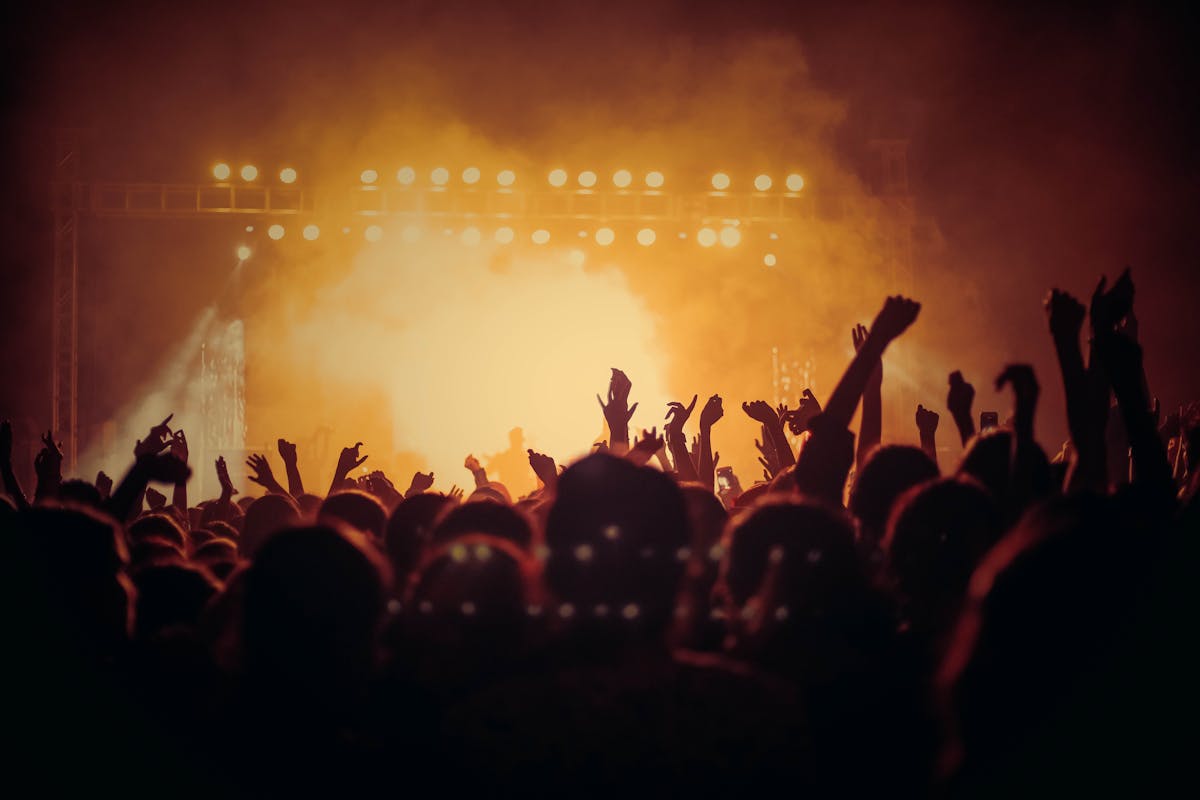
Bushwick Open Studios, the annual event in which the neighborhood's artist community opens its workspaces to the public, reached a new scale in September 2023. An estimated 50,000 visitors — up from roughly 35,000 in 2022 and 20,000 in the pre-pandemic years — descended on the blocks between Flushing Avenue and the Brooklyn-Queens Expressway over a single weekend, visiting more than 500 individual studios spread across dozens of buildings. The event, which began in 2006 as an informal initiative by a handful of artists in the Bogart Street buildings, has grown into one of the largest open-studio events in the country and the most visible expression of Bushwick's identity as a working artist community.
The Geography
The studio map, a folded document that served as both guide and souvenir, covered a geography that would have been unimaginable to the event's founders. The original Bushwick Open Studios was concentrated in a few buildings along Bogart Street and the immediately surrounding blocks. The 2023 edition sprawled across a territory that extended from Morgan Avenue in the west to Evergreen Avenue in the east, from Flushing Avenue in the north to the border of Bed-Stuy in the south. The expansion reflected the growth of the artist community itself, which has spread outward from the original Bogart Street nucleus as rents in those pioneer buildings have risen and newer, cheaper spaces have been found on the periphery.
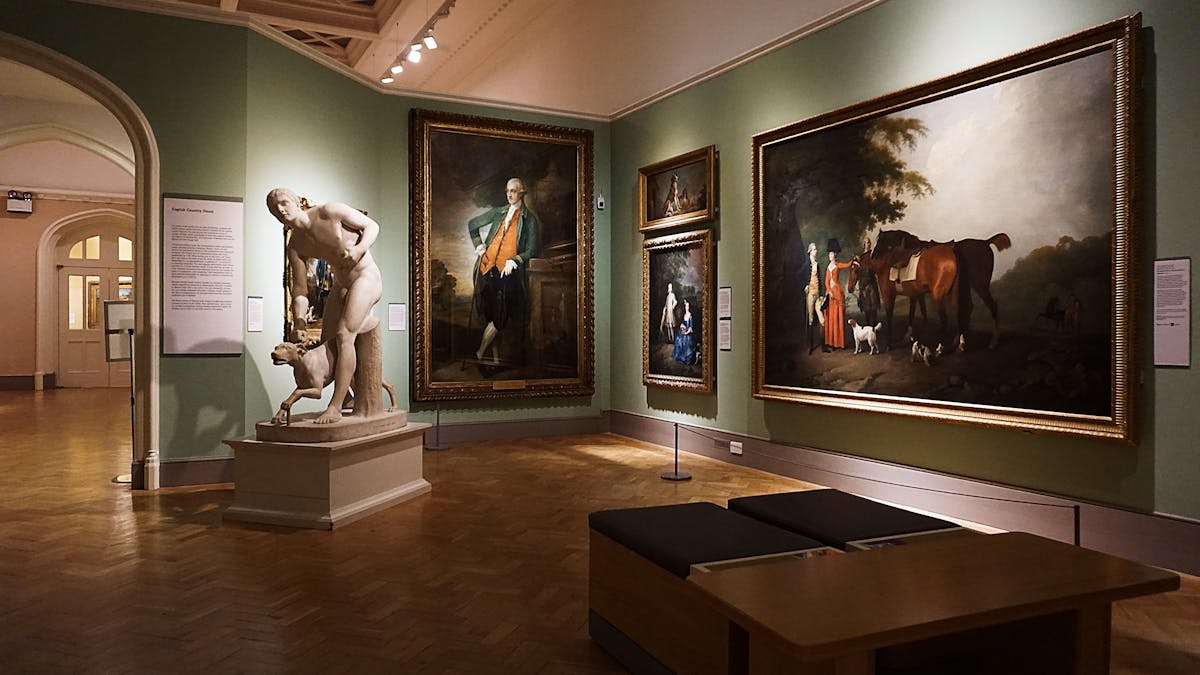
The diversity of the work on display was staggering. Within a single building, a visitor might encounter a painter working in rigorous geometric abstraction, a ceramicist producing functional dinnerware, a photographer editing large-format prints, a textile artist operating a floor loom, and a digital artist rendering work in virtual reality. The absence of curatorial gatekeeping — any artist with a studio in the neighborhood could participate — produced an experience that was democratic to the point of overwhelming, a creative abundance that rewarded stamina and an open mind.
The Human Connection
The most distinctive quality of Open Studios, and the one that distinguishes it from a gallery exhibition or an art fair, is the direct encounter between artist and viewer. In most art-world contexts, the artist is absent from the moment of viewing; the work stands alone, mediated by a gallerist, a curator, or a wall text. At Open Studios, the artist is present, working, available for conversation, and often eager to talk about process, materials, and the ideas that drive the work.
These conversations are the event's most valuable currency. A visitor who might spend thirty seconds in front of a painting in a gallery will spend fifteen minutes in a studio, listening to the artist describe how the piece was made, what it's about, and where it fits in their broader practice. The interaction transforms the experience of looking at art from a passive consumption into an active exchange, and it creates a relationship between artist and audience that persists beyond the weekend itself.
The commercial dimension of Open Studios has grown alongside its cultural significance. While the event is free to attend and many participating artists do not price their work for sale, a significant number use the weekend as an opportunity to sell directly from their studios, bypassing the gallery system and its standard 50-percent commission. For artists without gallery representation — which includes the majority of participants — Open Studios represents one of the few opportunities to put their work in front of a large, art-interested audience with the potential for direct sales.
The Neighborhood Question
The growth of Bushwick Open Studios has tracked, and in some ways driven, the neighborhood's ongoing gentrification. The artist community that the event celebrates is itself a product and an agent of the economic transformation that has reshaped Bushwick over the past two decades. The artists arrived because the rents were low. Their presence made the neighborhood attractive to restaurants, bars, and galleries. The restaurants, bars, and galleries attracted a broader residential population. The broader residential population drove rents up. The cycle is familiar from every gentrifying neighborhood in New York, and Bushwick is not exempt from its consequences.
Some artists at the 2023 event spoke openly about the tension between the celebration of Bushwick's creative community and the displacement of the neighborhood's long-term residents, many of whom are Latino and working-class families who preceded the artist influx by generations. Open Studios, they acknowledged, is a joyful event. But it is also a marker of change, and the change it marks is not experienced equally by everyone in the neighborhood.
The 50,000 visitors came and went. The doors closed on Sunday evening. The studios returned to their private function. But the questions that Open Studios raises — about art and commerce, community and displacement, openness and enclosure — remained open, as they have every year since a handful of artists on Bogart Street decided to invite the world in.