Call Down the Hawk: A Review
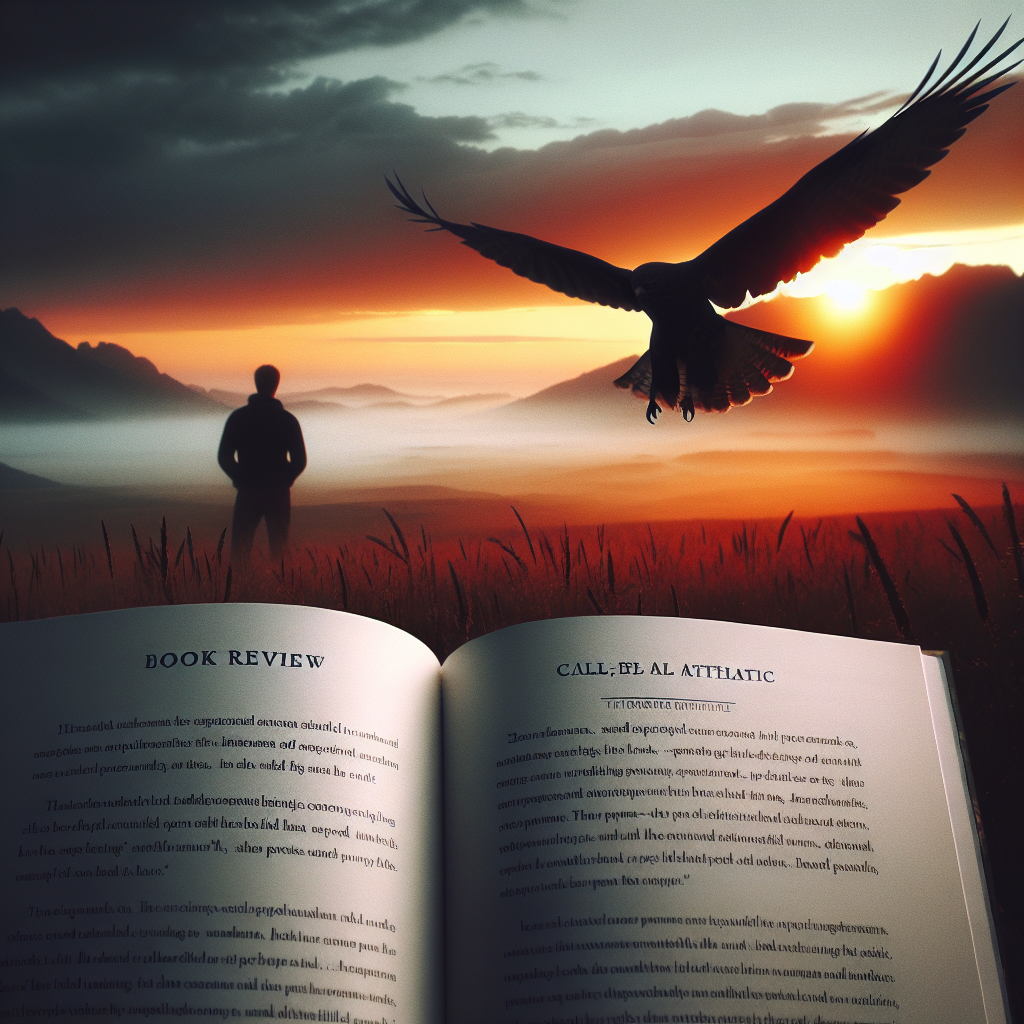
As the literary world continues to expand its horizons, few authors manage to weave magic and reality with the same finesse as Maggie Stiefvater. Known for her ability to craft vivid characters and richly textured worlds, Stiefvater has enthralled readers with her distinctive voice in young adult fiction for over a decade. Her latest offering, "Call Down the Hawk," the first installment in the Dreamer Trilogy, promises to extend her legacy even further.
At its core, "Call Down the Hawk" is a story about dreaming. But in the world Stiefvater creates, dreams are not mere flights of fancy; they are tangible, formidable, and sometimes dangerous. The novel focuses on Ronan Lynch, a character familiar to fans from the acclaimed Raven Cycle series. Here, Ronan takes center stage as a dreamer—a person with the rare ability to pull objects and creatures out of his dreams and into reality. For those who cherished the magical tapestry of the Raven Cycle, this new trilogy offers a deeper exploration into the mind of one of its most enigmatic characters.
Stiefvater's narrative prowess is evident from the first page, as she deftly balances the fantastical elements of the plot with a nuanced exploration of her characters' internal struggles. Ronan, burdened with the weight of his abilities, is portrayed with a complexity that makes him both relatable and compelling. His journey is one of self-discovery, grappling with the implications of his power while navigating relationships with those around him. His brothers, Declan and Matthew, serve as both allies and foils, each bringing their own perspectives and challenges to the story.
Complementing Ronan's storyline is the introduction of new characters, such as Jordan Hennessy and Carmen Farooq-Lane, who add layers of intrigue and depth to the narrative. Hennessy, an art thief with her own mysterious connection to dreaming, provides a fresh dynamic and further complicates the unfolding plot. Meanwhile, Farooq-Lane, an enigmatic hunter with a vendetta against dreamers, introduces a sense of urgency and danger, raising stakes that echo throughout the novel.
Stiefvater's writing is lush and evocative, her prose imbued with a poetic quality that enhances the dreamlike atmosphere of the book. She possesses an uncanny ability to transform the ordinary into the extraordinary, a skill that is particularly evident in her descriptions of Ronan's dreamworld—both beautiful and menacing. The interplay between reality and the dreamscape is seamless, blurring the lines in a manner that keeps readers on their toes, questioning what is tangible and what is imagined.
While "Call Down the Hawk" is undoubtedly a work of fantasy, it also tackles universal themes—identity, belonging, and the fear of the unknown. Stiefvater doesn’t shy away from exploring the darker aspects of these themes, presenting a narrative that is as thought-provoking as it is entertaining. Her characters grapple with issues of trust, loyalty, and the moral implications of their abilities, providing a narrative richness that elevates the novel beyond typical genre fare.
In terms of pacing, Stiefvater maintains a taut narrative drive, expertly balancing character development with plot progression. The introduction of multiple viewpoints could have easily fragmented the story, but instead, it serves to enrich the tapestry Stiefvater is weaving. Each character's perspective adds a layer of complexity, creating a multidimensional narrative that captivates from start to finish.
"Call Down the Hawk" is a testament to Maggie Stiefvater's talent as a storyteller. It is both a continuation for fans of the Raven Cycle and an accessible entry point for new readers, requiring no prerequisite knowledge to appreciate its depth and beauty. As the first book [Amazon] in the Dreamer Trilogy, it sets an ambitious precedent, blending the enchantment of dreams with the harsh realities of waking life in a manner that is uniquely Stiefvater’s own.
In a time when the world outside our doors feels increasingly uncertain, "Call Down the Hawk" invites readers to lose themselves in a narrative that is both an escape and a reflection of the complexities within us all. Whether you are a long-time admirer of Stiefvater's work or a newcomer to her worlds, this novel promises an adventure that is as thrilling as it is introspective. As we await the continuation of Ronan's journey, one thing is certain: the Dreamer Trilogy has commenced with a resounding call worthy of our attention.