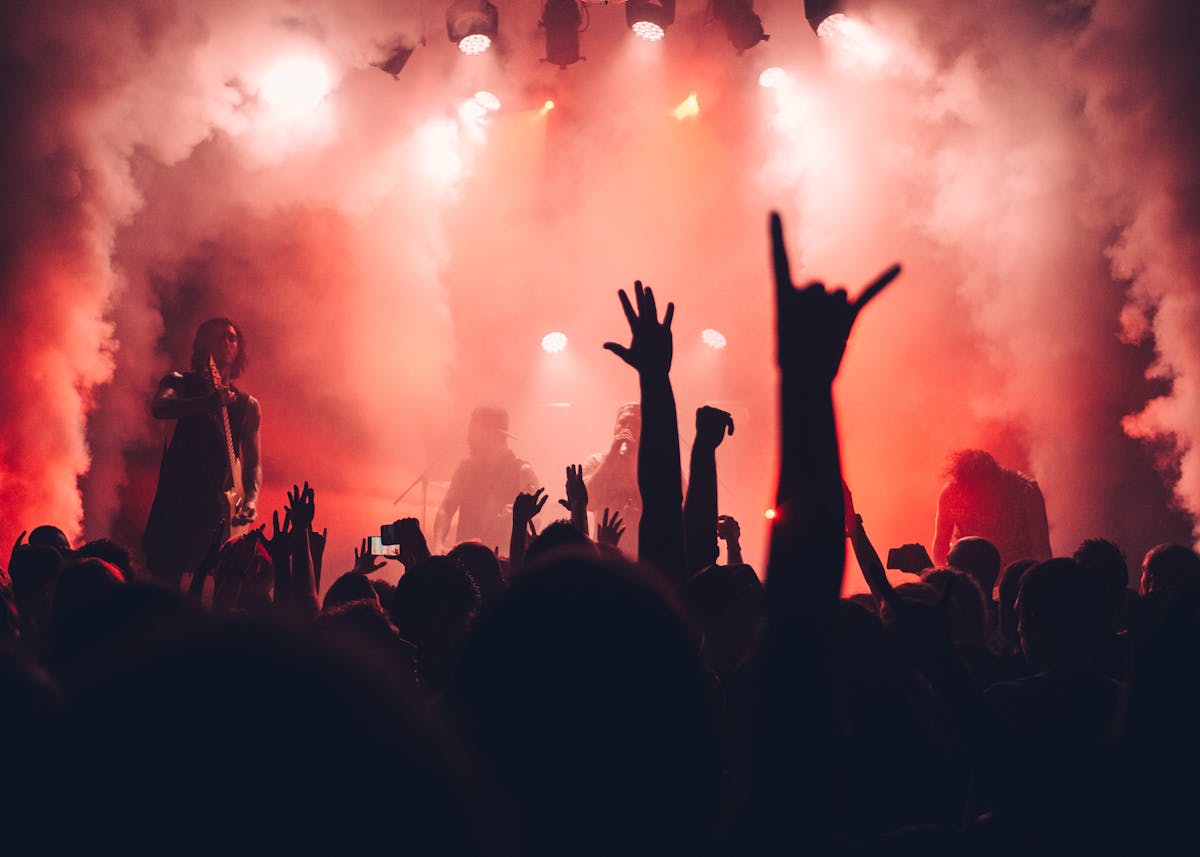
On a Tuesday night in the East Village, there are at least seven comedy shows happening within a ten-block radius. This is not a special occasion. This is Tuesday. The comedy boom that has transformed New York's live entertainment landscape over the past two years has produced a density of stand-up performance that the city has not seen since the 1980s, when the comedy club explosion put a microphone and a brick wall in seemingly every bar and restaurant in Manhattan. The current wave is different in its aesthetics, its economics, and its relationship to the broader culture, but the energy is unmistakable: comedy is the hottest live performance form in New York, and the competition for stage time has never been more fierce.
The numbers tell part of the story. According to estimates from industry observers, the number of regularly scheduled comedy shows in Manhattan has more than doubled since 2019, from roughly 120 per week to more than 250. The established clubs — the Comedy Cellar on MacDougal Street, the Stand on West 16th Street, Gotham Comedy Club on West 23rd — are booking at capacity most nights. But the real growth is happening in the basements, back rooms, and borrowed spaces that have become the farm system of New York comedy.
The Basement Circuit
The basement show is the unit of currency in the current comedy economy. The format is simple: a promoter books a bar or restaurant basement, sets up a microphone and a speaker, charges $10 to $20 at the door, and presents a lineup of five to eight comedians performing 10 to 15 minutes each. The shows are intimate — most rooms hold between 40 and 80 people — and the atmosphere is electric, a combination of the low ceilings, the proximity of the audience to the performer, and the ambient energy of a crowd that has chosen to spend their evening in a room smaller than most apartments.
The circuit is vast. On any given night, a comedian working the New York scene might perform at three or four shows across Manhattan and Brooklyn, racing between venues by subway to maximize stage time. The most productive comedians perform upward of 20 sets per week, a volume of performance that accelerates artistic development at a pace that no other comedy market can match. Los Angeles, the other major center of American comedy, offers fewer stage opportunities and a culture that is more oriented toward industry showcases than pure performance. New York, with its sheer density of rooms and audiences, remains the city where comedians are made.
Why Now
The causes of the boom are multiple and intertwined. The pandemic created a backlog of demand for live entertainment that, upon the reopening of indoor venues, expressed itself with particular intensity in comedy. Stand-up requires minimal infrastructure — a microphone, a light, and a room — making it the fastest form of live entertainment to resume operations when restrictions eased. The streaming platforms, particularly Netflix and YouTube, have massively expanded the audience for stand-up, creating a pipeline of new fans who want to see performers live after encountering them on screens.
The economics of the basement circuit are, for performers, modest at best. Most shows pay comedians between $25 and $100 per set, with headliners at established rooms earning significantly more. The real compensation is the stage time itself — the opportunity to test material in front of a live audience, to develop timing and presence, and to build the kind of following that eventually translates into larger bookings, festival invitations, and the holy grail of modern comedy: a streaming special.
For the venues, the economics are more favorable. A bar that converts its basement into a comedy room can generate meaningful door revenue — $800 to $2,000 per show — while driving drink sales upstairs. The investment is minimal: a sound system, some chairs, and a relationship with a reliable promoter. The return, in a hospitality industry still recovering from the pandemic, is often the difference between a profitable night and a losing one.
The New Material
The comedy being produced in New York's basements reflects the demographic diversity of the city in ways that previous comedy booms did not. The lineups at most basement shows are far more diverse than those of the 1980s comedy club era, which was dominated by white male performers working in a relatively narrow range of styles. The current scene includes comedians from every background, working in styles that range from traditional observational humor to confessional storytelling to the surreal and absurdist traditions that have always thrived in New York's alternative comedy rooms.
The audience has shifted as well. The average age at a basement comedy show is noticeably younger than at the established clubs, and the expectations are different. This audience has been raised on podcasts and social media comedy, and they bring an appetite for authenticity and specificity that rewards comedians willing to take risks. The polished, crowd-pleasing set that kills at the Comedy Cellar may fall flat in a Bushwick basement, and vice versa. The market, in its chaotic abundance, has room for both.
Every generation gets the comedy boom it deserves. New York in 2022 is getting one that is larger, more diverse, and more artistically ambitious than anything the city has produced in decades. The basements are full. The microphones are on. The only question is which of the hundreds of comedians currently working the circuit will emerge as the defining voices of the moment. The answer is being worked out, seven minutes at a time, in rooms all over this city.