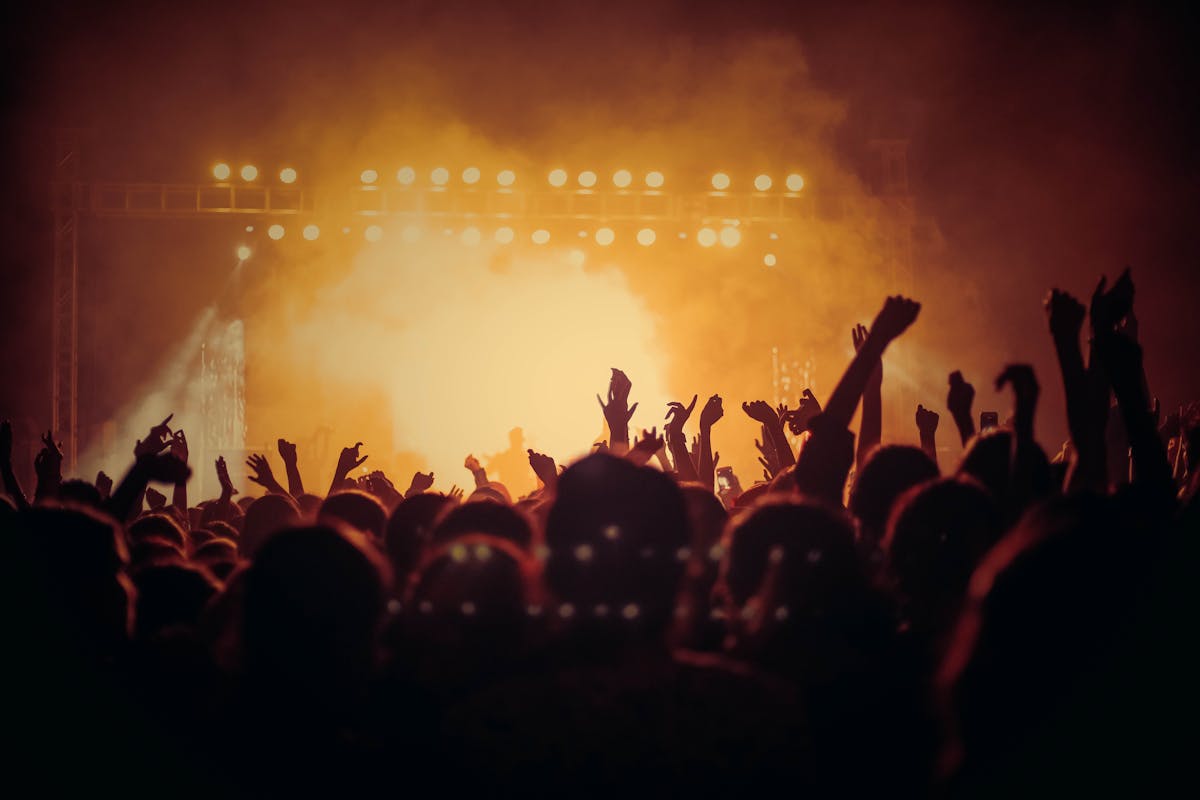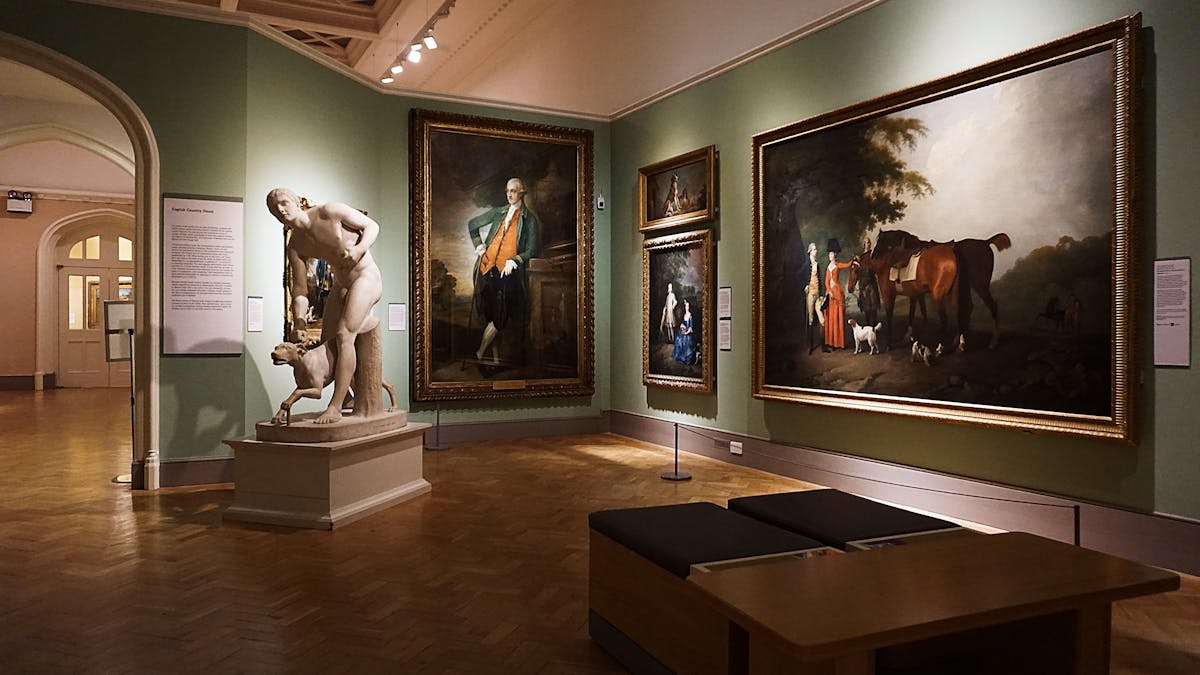
The plan was ambitious to the point of absurdity: 200 galleries across Manhattan and Brooklyn would open new exhibitions simultaneously over a single weekend in May, creating a concentrated burst of art viewing that would rival Art Basel, Frieze, and every other international art fair, but without the booths, the VIP lounges, or the $75 admission fee. Gallery Weekend NYC, held May 5-7, 2022, was free, open to everyone, and spread across a geography that stretched from the Lower East Side to Chelsea to Tribeca to Bushwick. All you needed was comfortable shoes and a tolerance for crowded rooms.
The event was organized by a coalition of gallery directors who had been watching with a mixture of admiration and anxiety as other cities — Berlin, London, Seoul — had launched similar coordinated weekends to great success. The concept was simple: synchronize the opening schedule so that collectors, curators, critics, and the general public would have a reason to spend an entire weekend gallery-hopping, creating a critical mass of attention that individual openings could not generate on their own.
The Chelsea Marathon
The heart of the action was, unsurprisingly, Chelsea, where the concentration of galleries between Tenth and Eleventh Avenues from 18th to 27th Streets remains the densest in the Western Hemisphere. Walking the corridor on Saturday afternoon was an exercise in sensory saturation. Every gallery was open. Every gallery was showing new work. The sidewalks between buildings were as crowded as a subway platform at rush hour, with visitors clutching gallery maps and moving between openings with the purposeful efficiency of shoppers at a sample sale.
The quality of the work was, as with any event of this scale, uneven. But the highlights were extraordinary. Pace Gallery on 25th Street opened a massive survey of a major contemporary painter that filled three floors and drew a line down the block. David Zwirner showed new work that generated immediate critical attention. Hauser & Wirth presented a group show that placed emerging artists alongside blue-chip names in a curatorial gesture that felt generous and democratic.
Beyond Chelsea
The weekend's most exciting energy, however, was not in Chelsea but in the Lower East Side and Chinatown, where a younger generation of galleries presented work that took more risks and attracted a more diverse audience. The cluster of galleries along Orchard, Ludlow, and Essex Streets — some of which occupy spaces no larger than a studio apartment — presented work by emerging artists at price points accessible to first-time collectors. The atmosphere on these blocks was less polished than Chelsea but more vital, with the overflow from galleries spilling onto the sidewalks and into the adjacent bars and restaurants.
In Bushwick, the weekend coincided with an already robust gallery scene that has been building for years in the industrial spaces along Bogart Street and the surrounding blocks. The Brooklyn galleries brought a distinct energy to the weekend: more experimental, more community-oriented, and more willing to blur the boundaries between gallery show and event. Several spaces hosted live performances alongside their exhibitions. Others served food and drinks, transforming the opening reception from a social obligation into an actual party.
The foot traffic exceeded expectations by a significant margin. The organizing committee had projected total attendance of approximately 30,000 over the weekend. The actual figure, calculated from gallery-reported visitor counts, was closer to 50,000. The numbers were driven in part by strong weather — both days were warm and clear — and in part by a social-media campaign that had generated significant awareness in the weeks leading up to the event.
The Business Angle
For the galleries, the weekend's commercial impact was mixed but generally positive. Several dealers reported that the volume of visitors, while gratifying, did not translate directly into sales during the event itself. The audience at a free public event is, by definition, different from the audience at a by-invitation opening or an art fair. Many visitors were casual observers rather than active collectors, and the commercial conversations that drive the gallery business require a level of quiet attention that the weekend's festive atmosphere did not always provide.
But the longer-term benefits were acknowledged by nearly every participating gallery. The exposure to new audiences — people who had never visited a Chelsea gallery, who did not know that the Lower East Side had a gallery scene, who had heard of Bushwick's art community but never experienced it — was invaluable. Several galleries reported significant increases in their mailing list subscriptions and social media followers in the weeks following the event, suggesting that the weekend had succeeded in converting casual visitors into engaged audiences.
The inaugural Gallery Weekend NYC was imperfect, chaotic, and exhausting. It was also one of the most exciting things to happen to the New York art world in years. Two hundred shows, one weekend, zero sleep, and the beginning of something that the city's art community hopes will become an annual tradition.