Greywaren: The Conclusion of the Dreamer Trilogy
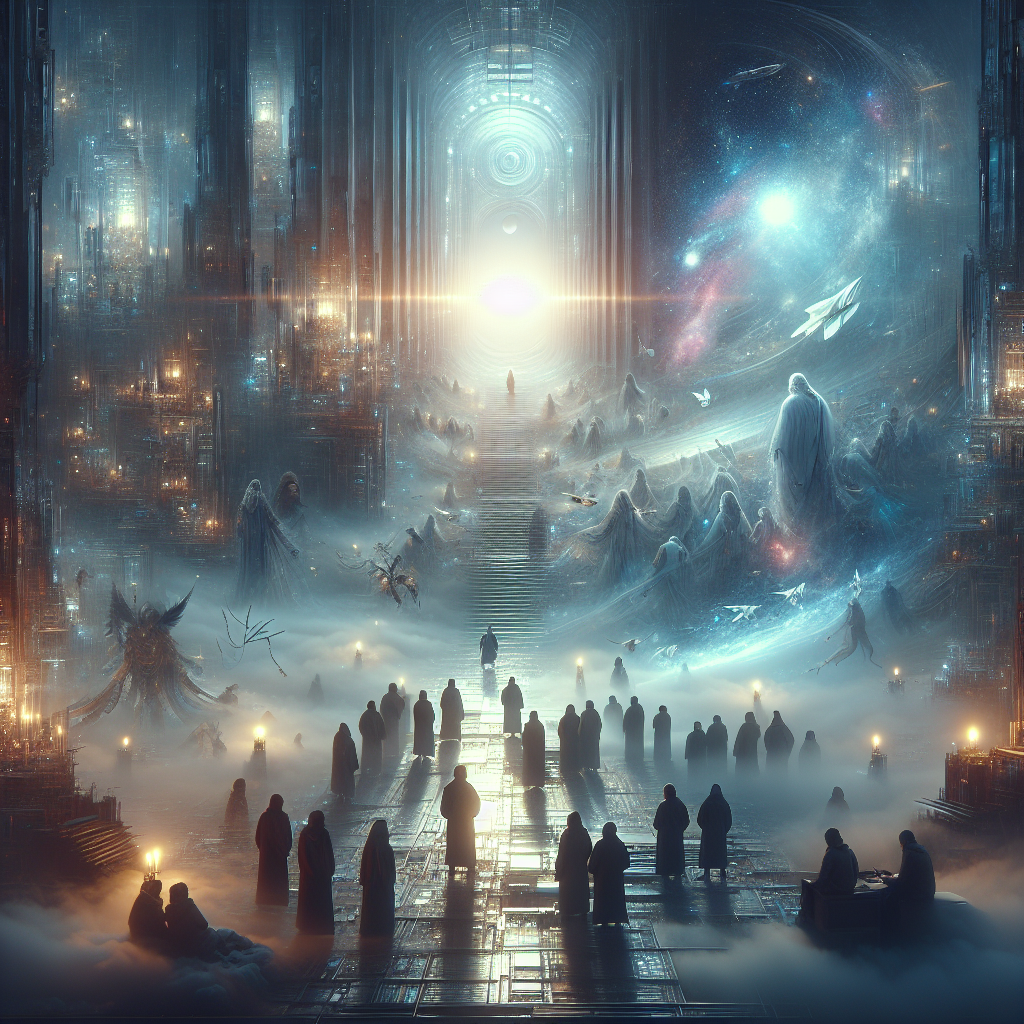
In a literary landscape often dominated by predictable narratives and recycled tropes, Maggie Stiefvater's "Greywaren," the electrifying conclusion to the Dreamer Trilogy, emerges as a game-changer. This final installment cements Stiefvater's reputation as a master of modern fantasy, intertwining intricate world-building with compelling character arcs that demand the reader's unwavering attention. Released to both critical acclaim and fervent fan anticipation, "Greywaren" not only fulfills the promises laid by its predecessors, "Call Down the Hawk" and "Mister Impossible," but elevates the series to an epic crescendo.
The Dreamer Trilogy, a spinoff from Stiefvater's acclaimed Raven Cycle series, zeroed in on the Lynch brothers, particularly Ronan Lynch, whose ability to bring his dreams into reality serves as the series’ central theme. By the time readers embark on the journey of "Greywaren," they are well-acquainted with the stakes involved with dreamer magic—a gift and a curse that could exact devastating consequences if left unchecked. Stiefvater’s narrative, characterized by its poetic prose and haunting beauty, takes a deeper dive into the psychological and philosophical implications of creation and destruction, mirroring the dual nature of dreams themselves.
"Greywaren" picks up at a critical juncture. The apocalyptic threats introduced in the earlier books crystalize in this finale, demanding resolve from characters who have evolved significantly since their inception. Stiefvater’s adept character development is evident as Ronan, Adam, Declan, and newcomer Jordan Hennessy confront the ultimate question: What is the dreamer’s ethical obligation to the world they can create and destroy? Here, Stiefvater’s exploration of identity and agency becomes both poignant and thrilling, offering readers introspection wrapped in the guise of high-stakes fantasy.
Maggie Stiefvater’s powerful prose is more than mere storytelling; it’s an experience that engulfs the reader in the electric tension of her narrative. Her writing, a seamless blend of lyrical poignancy and razor-sharp dialogue, is populated with memorable lines that linger long after the final page is turned. She crafts a world where reality and dreams blur—a feat accomplished through meticulously detailed settings that pulse with a life of their own. Whether it's the bleakly beautiful landscapes or the intricate dreamscapes that defy the laws of nature, "Greywaren" demands a visual imagination, asking readers to engage deeply with the text.
A notable aspect of "Greywaren" is its thematic ambition. Stiefvater delves into complex themes such as the nature of existence, the ethics of creation, and the power dynamics inherent in the act of dreaming. These elements are explored through a diverse cast of characters, offering multiple perspectives that enrich the narrative tapestry. The relationship dynamics, particularly those between the Lynch brothers and their allies, are given substantial depth, allowing the emotional stakes to resonate profoundly with readers who have journeyed with these characters through trials and triumphs.
Furthermore, "Greywaren" stands out for its inclusivity and representation of LGBTQ+ characters, an aspect that has become a hallmark of Stiefvater’s work. The series doesn’t just include diverse voices as a token gesture; instead, it intricately weaves these perspectives into the core narrative, ensuring that they are integral to the story’s progression and conclusion.
Critics and fans alike have praised "Greywaren" for its fearless approach to storytelling. Stiefvater’s ability to balance heart-stopping action with introspective moments of vulnerability speaks to her maturity as a writer. The climax and denouement of the trilogy are handled with a deft touch, offering closure while leaving just enough ambiguity to provoke thought and discussion. This deliberate choice ensures that the Dreamer Trilogy will be revisited and debated in the years to come, securing its place in the pantheon of young adult fantasy literature.
In "Greywaren," Maggie Stiefvater not only concludes a compelling series but also redefines the boundaries of young adult fantasy. Her work continues to push the genre forward, challenging readers to question the power of dreams and the responsibility they bear in shaping reality. As an artist who refuses to be constrained by conventional narratives, Stiefvater delivers a finale that resonates with power, poignancy, and poetic grace—a true testament to the transformative power of storytelling.