Henrietta Virginia: The Fictional Town That Became Real
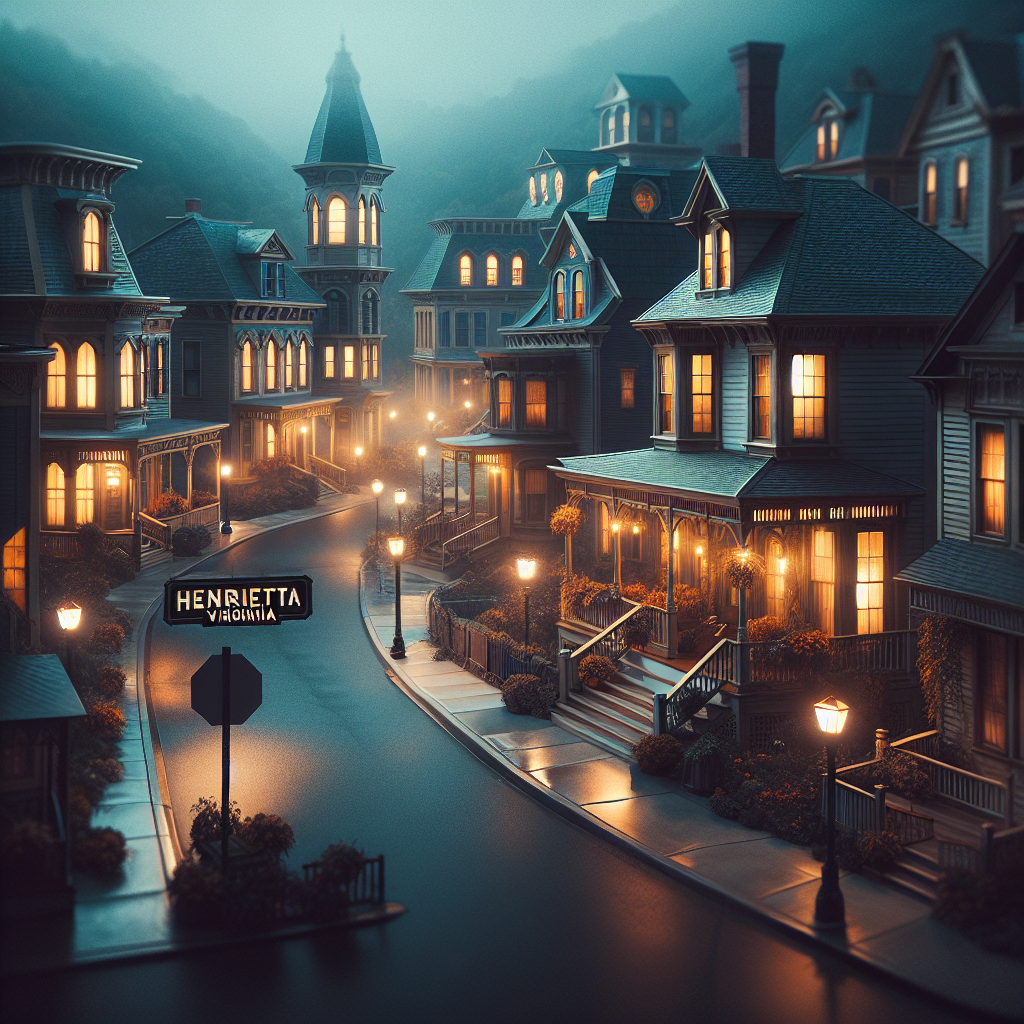
In the realm of fiction, it is not uncommon for authors to craft towns and cities so vivid they seem to leap off the pages and into our imaginations. But rarely do these fictional locales transcend the boundaries of literature to influence reality itself. Such is the case with Henrietta, Virginia, the fictional town created by renowned author Maggie Stiefvater for her series "The Raven Cycle." What began as a figment of literary world-building has, astonishingly, begun to manifest in the real world, as fans, locals, and entrepreneurs weave the threads of fiction and reality more tightly together.
Maggie Stiefvater's "The Raven Cycle" introduced readers to Henrietta, a town steeped in mystery, magic, and a sense of ethereal wonder. With an economy built on charm and secrets, Henrietta’s allure lies in its mystical ley lines and the promise of ancient kings slumbering beneath its soil. The novels have garnered a devoted following, many of whom have embarked on pilgrimages to Virginia, hoping to find echoes of Henrietta in the real world.
What fuels this phenomenon is Stiefvater's meticulous attention to detail in her world-building. The vivid descriptions of Henrietta's landscapes, from the verdant rolling hills to the enigmatic forests, are so evocative that they beckon exploration beyond the pages. Online forums and fan communities have sprung up, dedicated to pinpointing real-world inspirations and locations that might have influenced Stiefvater's creation.
A crucial aspect of this enchanting tale spilling into reality is the fertile ground it has found in the real Virginia. In recent years, the small towns and rural areas of Virginia have seen a curious uptick in tourism, attributed in part to fans of the series seeking to immerse themselves in the world of "The Raven Cycle." Local businesses have seized upon this opportunity, crafting experiences and products that echo the magical realism of Stiefvater’s narrative. From guided tours through the Blue Ridge Mountains, touted as the backdrop to Henrietta, to cafes that serve "Raven Boys" inspired menus, the lines between fiction and reality are delightfully blurred.
The genesis of a fictional town influencing real-world culture may be rare, but it is not unprecedented. Yet, what sets Henrietta apart is the communal enthusiasm that fuels its transformation. Fans are not merely passive consumers of Stiefvater's enchanting prose; they are active participants in its perpetuation. Social media platforms such as Instagram and TikTok are replete with fan-created art, cosplay, and short films that further populate the world of Henrietta. These digital spaces have become communal repositories where the magic of the fictional town is continually being reimagined and recreated.
Even more intriguing is how this fictional town has begun to inspire real-world changes. Local artisans have started crafting and selling items that might be found in Henrietta, such as handmade notebooks with Stiefvater-inspired designs or jewelry featuring symbols from the books. This burgeoning creative economy underscores the profound impact that literature can have on industry and local culture, blurring the lines even further between the imagined and the real.
Interestingly, this confluence of fiction and reality raises questions about the power of storytelling and its ability to shape perceptions and environments. How far can world-building extend beyond the boundaries of a book, and what does it mean for a fictional place to gain a foothold in the real world? As Henrietta continues to inspire and evolve, these questions remain ever relevant, pointing to the dynamic interplay between reader, writer, and the worlds they navigate together.
In the end, Maggie Stiefvater's creation of Henrietta, Virginia, stands as a testament to the power of storytelling. It demonstrates how a fictional town, rendered with love and imagination, can transcend its origins to become a living, breathing extension of our world. Henrietta's journey from page to quasi-reality is a unique narrative of its own, illustrating the potential for fiction not only to reflect the world but to actively shape it.