Kazuo Ishiguro's Klara and the Sun: Humanity in the Machine Age
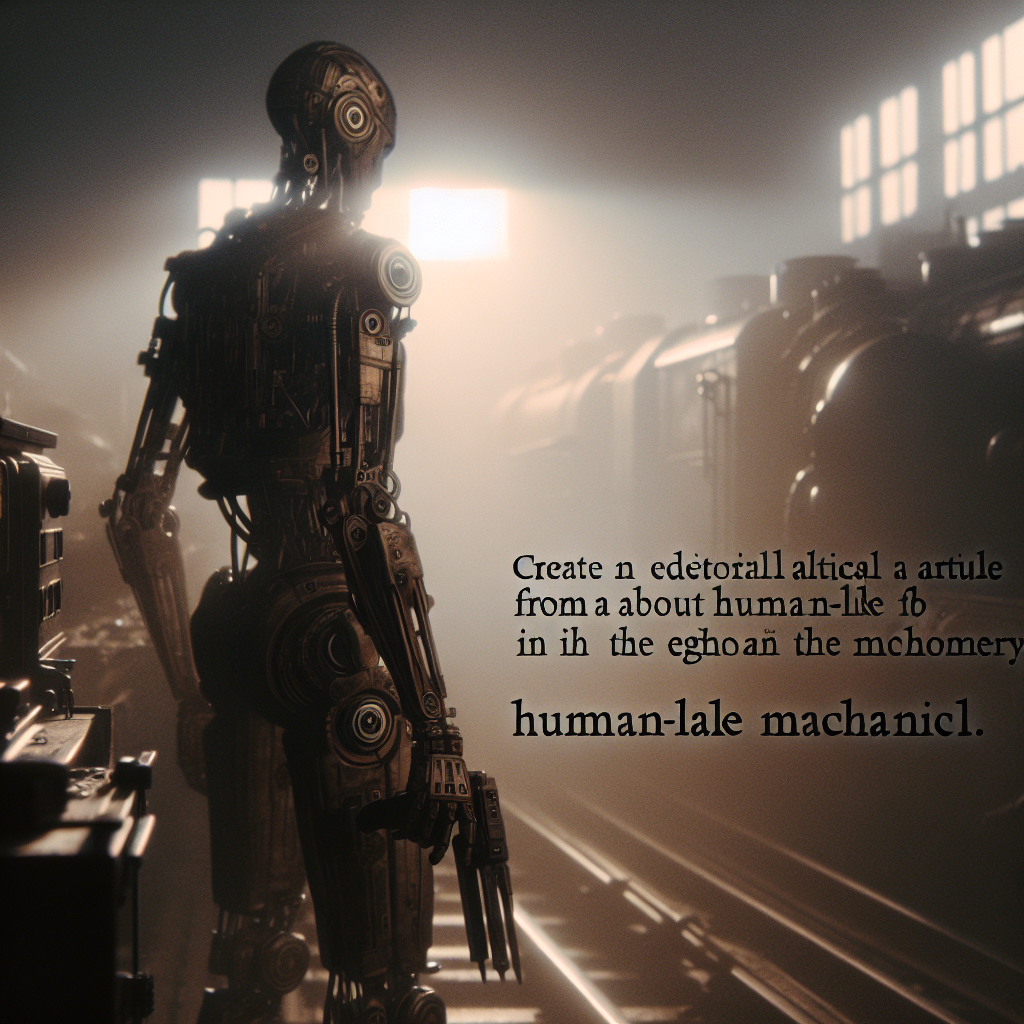
With the dawn of the 21st century, literature has grappled with the accelerating pace of technological advancement and its implications on humanity. Few authors have managed to encapsulate this existential tension with the grace and introspective depth of Kazuo Ishiguro. His 2021 novel, "Klara and the Sun," serves as a poignant exploration of humanity's evolving relationship with artificial intelligence, underlining the profound questions it raises about empathy, consciousness, and the essence of human connection.
"Klara and the Sun" introduces readers to Klara, an Artificial Friend (AF) designed to serve as a companion to children in an eerily familiar near-future world. Through Klara's observant and naive gaze, Ishiguro deftly navigates the complexities of human emotions and societal division. Despite her mechanical origins, Klara's perceptions of the world brim with an almost childlike purity, prompting readers to re-evaluate what constitutes genuine emotional experience.
Ishiguro's narrative does not merely dwell on the technological aspects of artificial intelligence but rather leverages Klara's unique perspective to draw attention to the nuanced intricacies of human behavior. The novel asks us to consider the moral and ethical dimensions of AI companionship, particularly when set against the backdrop of a society stratified by genetic enhancements—a society where children are "lifted" to ensure their success and standing.
A recurring theme throughout Ishiguro's work is the exploration of memory and identity, and this novel is no exception. Klara, despite her artificial construct, embodies the struggle to understand and embody human feelings, challenging the reader to discern the boundaries between programmed responses and authentic emotional engagement. Is Klara's empathy genuine, or merely a sophisticated algorithm designed to simulate human emotions? Ishiguro leaves these questions tantalizingly open-ended, inviting a reflective discourse about the nature and future of AI.
The emotional core of the novel is exemplified through Klara's relationship with Josie, the young girl who selects her as an Artificial Friend. Their bond provides a microcosmic reflection of the broader societal shifts, as Ishiguro juxtaposes Klara’s unwavering loyalty and concern with the often tumultuous and unpredictable human interactions surrounding them. The tenderness of their connection is accentuated by the backdrop of a world where human relationships are increasingly mediated by technology.
What makes "Klara and the Sun" particularly compelling is Ishiguro's ability to weave a narrative that, while set in a speculative future, resonates deeply with contemporary global challenges. The novel subtly critiques the depersonalization inherent in technological dependency, exploring how society might prioritize efficiency and progress over empathy and moral responsibility. Ishiguro's vision is neither alarmist nor nostalgic; rather, it is a sober reflection on the trajectory of human evolution—one where AI could play a crucial role in redefining what it means to be human.
Since its publication, "Klara and the Sun" has sparked widespread discussion, establishing itself as a critical touchstone in the dialogue about AI and ethics in literature. Critics and scholars have praised Ishiguro for his nuanced treatment of the subject matter, which refrains from the didactic or dystopian tropes often associated with the genre. Instead, Ishiguro's novel is a meditation on the enduring power of storytelling to question and illuminate the human condition.
In an era where technology increasingly pervades every facet of life, Ishiguro's work serves as both a warning and a source of hope, urging us to remain mindful of our humanity. The novel closes with a sense of ambiguity, leaving readers to ponder the future of human-AI relationships—will they become a source of profound companionship, or will they further alienate us from one another?
As "Klara and the Sun" continues to captivate audiences, its exploration of empathy, consciousness, and the moral landscapes of artificial intelligence remains strikingly relevant. Ishiguro's narrative invites us to reflect on the possibilities and perils of a future intertwined with AI, urging us to consider not only the machines we create but the humanity we choose to retain. In doing so, it affirms Ishiguro's position as a master storyteller whose insights into the human psyche are as timeless as they are timely.