There was a time, not so long ago, when Williamsburg was synonymous with a very specific kind of nightlife. The bars were narrow, dark, and decorated with ironic detachment. The DJs played obscure vinyl. The cocktails were cheap by Manhattan standards and served without pretension. The crowd was young, creative, and conspicuously unconcerned with the kind of polished aesthetics that defined nightlife across the river. That Williamsburg — the Williamsburg of the early 2000s through roughly 2015 — is gone. What has replaced it is something that the old guard barely recognizes, and that a new generation has claimed as its own.
The transformation of Williamsburg's nightlife accelerated during the pandemic, when a wave of closures cleared out many of the establishments that had defined the neighborhood's character. The bars that survived and the new ones that opened in the spaces left behind reflect a fundamentally different set of values and aesthetics. The ironic distance has been replaced by earnest investment. The cheap drinks have given way to $18 cocktails. The vinyl-only DJs now compete with venues featuring state-of-the-art sound systems that rival anything in Manhattan or Berlin.
The New Landscape
The most visible manifestation of the change is along the waterfront, where the development that has been reshaping Williamsburg's physical landscape for a decade has finally produced a nightlife district to match. The stretch of Kent Avenue between North 3rd and North 8th Streets now houses a concentration of bars, restaurants, and music venues that did not exist five years ago. The spaces are large — a product of the former industrial buildings that line the waterfront — and the investment behind them is substantial.
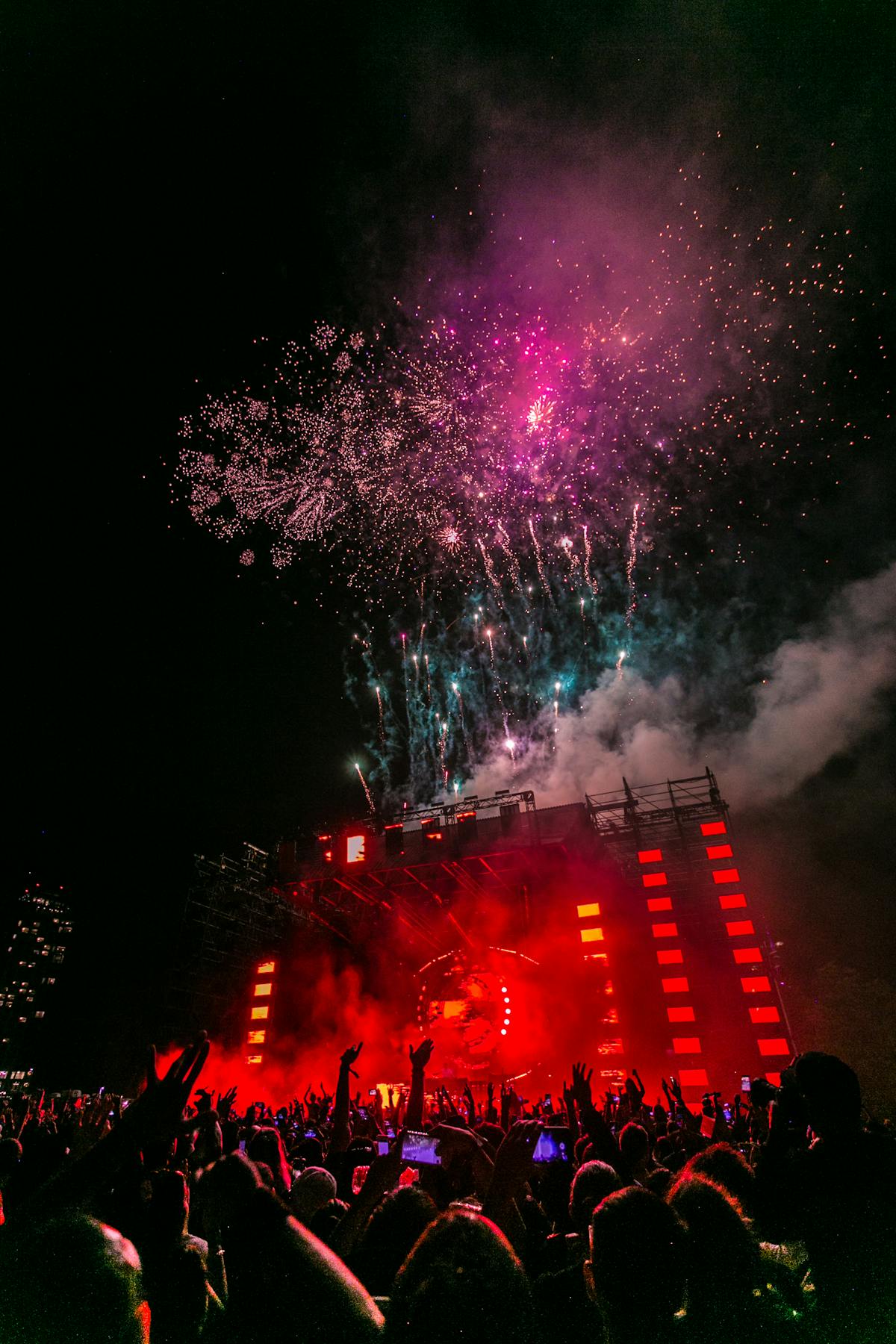
Brooklyn Steel, the 1,800-capacity music venue on Frost Street, has become a linchpin of the neighborhood's live music ecosystem since its opening. The venue, operated by the Bowery Presents, books a mix of established acts and emerging artists that draws crowds from across the city. On a Friday night, the surrounding blocks hum with the pre-show and post-show traffic that a venue of that scale generates: restaurants filling up at seven, bars overflowing at eleven, late-night food spots serving until three in the morning.
The cocktail scene has undergone its own transformation. Where Williamsburg bars once distinguished themselves by their refusal to take drinks seriously — the neighborhood was known for its dive bars, its cheap beer, its shot-and-a-beer specials — the current generation of establishments takes the craft of the cocktail with a seriousness that would not be out of place in the West Village or Lower East Side. Establishments along Berry Street and Wythe Avenue now feature bartenders with pedigrees from Death & Co, Attaboy, and other temples of the craft cocktail movement.
What Was Lost
The gentrification of Williamsburg's nightlife has been accompanied by a loss that long-time residents and visitors feel acutely. The bars that defined the neighborhood's identity — the ones with the sticky floors, the unpredictable jukeboxes, the bartenders who knew your name — have largely disappeared, replaced by establishments that are objectively more comfortable but subjectively less interesting. The trade-off between quality and character is one that every gentrifying neighborhood eventually confronts, and Williamsburg is no exception.
The displacement extends beyond aesthetics. The artists, musicians, and creative workers who originally made Williamsburg attractive to nightlife operators have been priced out of the neighborhood and pushed further into Brooklyn — to Bushwick, to Ridgewood, to Bed-Stuy, to neighborhoods where the rents still allow for the kind of marginal, experimental existence that produces interesting culture. The nightlife that remains in Williamsburg is, in many ways, a monument to the culture that created it, maintained by people who arrived after the creators left.
But nostalgia is a treacherous guide, and the new Williamsburg nightlife, whatever its relationship to the old, has its own vitality. The waterfront venues draw genuine talent. The cocktail bars produce genuinely excellent drinks. The restaurants that serve the nightlife ecosystem are among the best in Brooklyn. The neighborhood may have lost its countercultural edge, but it has gained a polish and professionalism that makes it a legitimate nightlife destination for visitors and residents who would not have considered it a decade ago.
The question is whether the two things — the edge and the polish — can coexist, or whether the arrival of one necessarily signals the departure of the other. The old Williamsburg regulars have their answer. The new ones have theirs. The neighborhood, as always, is moving too fast for either camp to claim the final word.