The invitation arrived on a card of heavy cream stock, hand-addressed in brown ink, delivered by a messenger service that charged more for the delivery than most New Yorkers spend on dinner. It contained a date, a time, a dress code (cocktail attire), and an address on East 73rd Street between Madison and Park. There was no explanation of what would take place at the address, no mention of artists or artworks, no RSVP link or QR code. The assumption, unstated but clearly operative, was that if you received the card, you already knew what it meant. You were invited to a salon.
The private art salon — an invitation-only gathering in a private residence where collectors, artists, curators, and selected guests view art, hear performances, and engage in the kind of sustained, unhurried conversation that the public art world's frenetic pace discourages — has been a feature of Upper East Side social life for as long as there has been an Upper East Side. What is new is the scale, the ambition, and the cultural influence of the current generation of salons, which have evolved from intimate gatherings of a dozen friends into carefully curated events that shape taste, launch careers, and move significant amounts of money in a setting that exists entirely outside the public view.
The Format
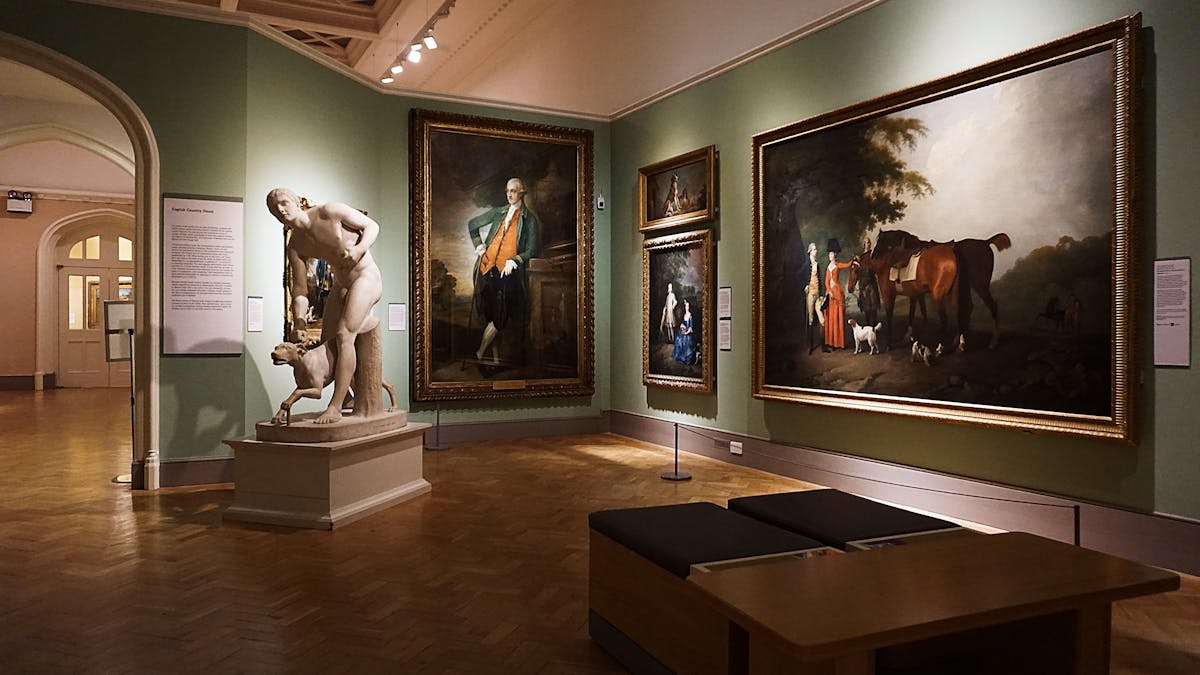
A typical salon unfolds over the course of an evening. Guests arrive at a townhouse or apartment — the spaces are invariably magnificent, their walls already hung with museum-quality collections — and are offered champagne by staff whose discretion is as refined as the glassware. The evening's program might include the presentation of new work by an emerging artist, selected and introduced by a curator of considerable reputation. It might include a chamber music performance, a reading by a novelist, or a conversation between an artist and a critic. The common thread is that every element has been chosen with care, and that the audience is small enough — rarely more than thirty, often fewer — to create an atmosphere of genuine intimacy.
The hosts of these salons are, for the most part, collectors of substantial means and serious taste. They are not dilettantes arranging flowers around their latest acquisition. They are engaged, knowledgeable participants in the art world who use the salon format to create encounters between people and artworks that the gallery and museum systems cannot provide. The salon allows them to present art in a domestic context, surrounded by their own collections, in a setting where the conversation between viewer and work is personal rather than institutional.
The Network
The salon circuit operates through a network of relationships that is, by design, opaque to outsiders. There is no directory, no membership list, no public schedule. Invitations flow through personal connections, and the expansion of any individual's salon access depends on a combination of social capital, cultural credibility, and the ineffable quality of being considered interesting company. The exclusivity is not incidental to the format — it is constitutive of it. The salon's value depends on the quality and intimacy of the gathering, and both are diluted by scale.
The network extends beyond the Upper East Side, though that neighborhood remains its spiritual and geographic center. Salons operate in townhouses in the West Village, in lofts in Tribeca, in penthouses overlooking Central Park. A few have established satellite programs in the Hamptons, Aspen, and London, following the migratory patterns of the collector class that sustains them. But the archetypal salon remains the one held in a limestone townhouse on a quiet block between Madison and Fifth, where the art on the walls is worth more than most buildings and the conversation is worth more than the art.
The commercial dimension of the salons is real but carefully managed. Artists whose work is presented at salons frequently make sales directly to attendees, often at prices that reflect the intimacy and exclusivity of the context. Several gallerists acknowledged that salon presentations can generate sales that exceed what a public gallery opening produces, though they are careful to note that the salon and the gallery serve different functions and different audiences. The salon is not a replacement for the gallery system. It is a parallel channel that operates by different rules and reaches a different — and, in purely financial terms, more powerful — audience.
The Cultural Implications
The growth of the private salon circuit raises questions about access, equity, and the public character of art. The salons are, by their nature, exclusive. The artists who benefit from salon exposure tend to be those with connections to the collector class — connections that are themselves shaped by the same social and economic hierarchies that the art world has long struggled to address. A young artist from a wealthy family with Upper East Side connections is more likely to be presented at a salon than an equally talented artist from a less privileged background, and the commercial advantages that flow from salon exposure compound the existing inequities of the art market.
The salon hosts are not unaware of these dynamics. Several have made deliberate efforts to present work by artists from underrepresented communities, and the curatorial ambition of the best salons reflects a genuine commitment to artistic excellence that transcends social homogeneity. But the structural reality of a format that depends on private wealth, private space, and private networks limits the degree to which good intentions can overcome systemic constraints.
Behind the limestone facades, the salons continue. The invitations arrive. The champagne is poured. The art is extraordinary, the conversation is brilliant, and the world in which it all takes place is visible only to those who have been asked to enter it. The secret art salons of the Upper East Side are a reminder that in New York, the most interesting things are always happening behind closed doors — and that the doors open only for those who know how to knock.