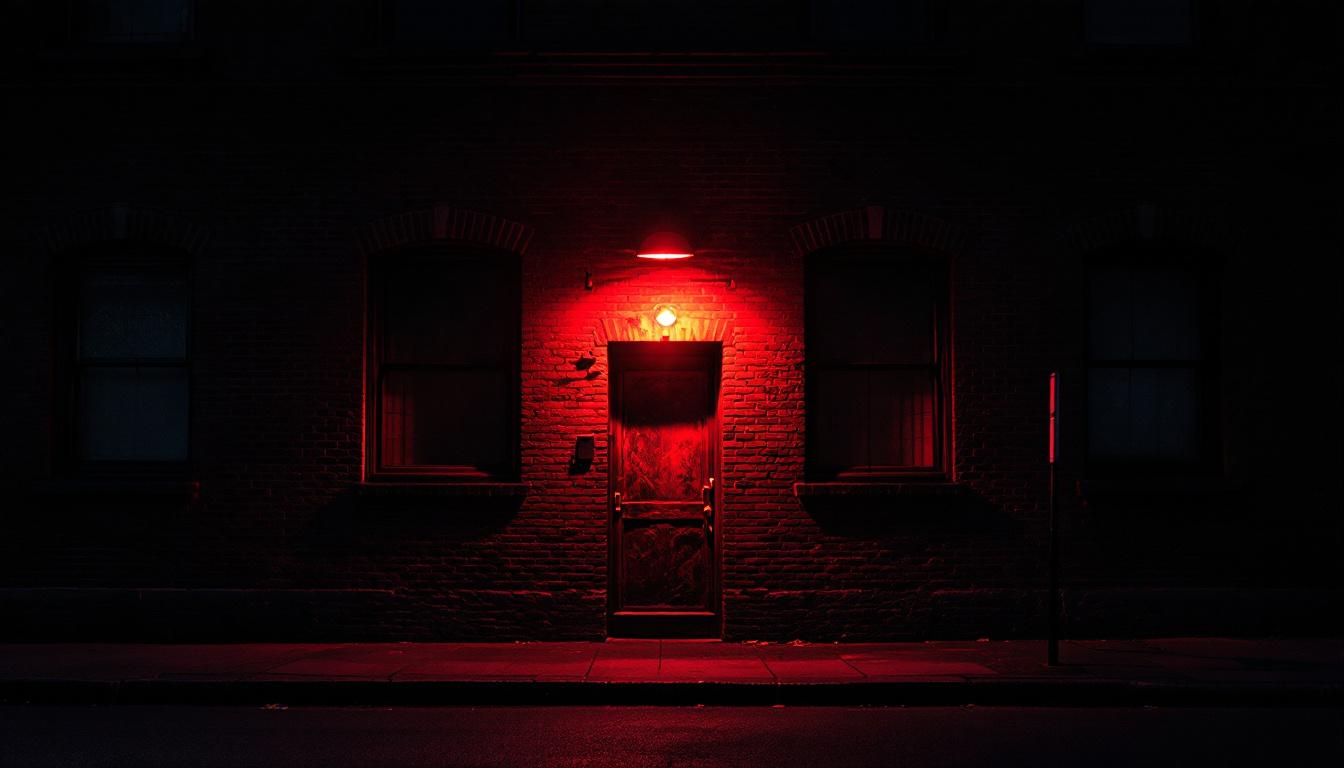
In the bustling heart of Chelsea lies an unassuming brick edifice that houses an experience unlike any other in New York City’s vibrant theater district: the McKittrick Hotel. This venue is home to the immersive theatrical production "Sleep No More," an avant-garde adaptation of Shakespeare’s "Macbeth" that has redefined the traditional boundaries of theater since it first opened in 2011. As patrons step into the dimly lit corridors of the McKittrick, they quickly realize they are not just spectators in this piece—they are participants in a shadowy world where each room holds a secret and every encounter is infused with mystery.
"Sleep No More" is produced by the British theater company Punchdrunk, known for its pioneering approach to immersive theater. Unlike conventional shows with clearly defined stages and audience seating, this production unfolds across multiple floors and intricately designed spaces within the hotel. Audience members, donning Venetian-style masks, are set free to wander and explore at their own pace, constructing their unique narrative from the disparate scenes they stumble upon. Each room of the McKittrick becomes a canvas, meticulously crafted to evoke the eerie elegance of a 1930s film noir setting, complete with period-appropriate props and decor.
This immersive experience is a departure from the linear storytelling of traditional theater. "Sleep No More" offers a non-linear narrative, encouraging viewers to piece together the fragmented storylines on their own. This format not only democratizes the narrative but also involves the audience in an intimate dance with fate and chance. One might follow Lady Macbeth as she spirals into madness or stumble upon the witches as they brew their foreboding potions, creating a personalized tale from the multitude of overlapping storylines.
The McKittrick Hotel itself is a marvel of theatrical architecture, a labyrinthine space that seems to defy conventional design logic. With each turn, visitors transition between meticulously constructed environments—from a desolate forest to a lavish ballroom, each rendered with an attention to detail that blurs the line between reality and fiction. This spatial complexity is central to the allure of "Sleep No More"; the environment is as much a character as the actors themselves, each aspect of the hotel whispering its own secrets to those who listen.
Despite its thematic roots in Shakespearean drama, "Sleep No More" is not bound by the traditional constraints of dialogue-heavy performance. Much of the storytelling is conveyed through expressive choreography and hauntingly atmospheric music, allowing for a universally accessible experience that transcends language barriers. The actors, a talented ensemble, are tasked with performing intense physical sequences that are as emotionally evocative as they are technically demanding. These performances occur in close proximity to the audience, creating an immediacy and visceral connection often absent in more conventional theater settings.
Since its opening, "Sleep No More" has become a cultural phenomenon, drawing both critical acclaim and a loyal following. Its unique format has inspired a wave of immersive theater productions across the globe, yet it remains unparalleled in its complexity and execution. The McKittrick Hotel has become a pilgrimage site for theater enthusiasts seeking an experience that challenges perceptions and defies expectations. Its success can be attributed to the seamless integration of storytelling, performance, and environment, a triad that serves to immerse and engage audiences in a way that is both innovative and profound.
The impact of "Sleep No More" stretches beyond its immediate audience. It has catalyzed discussions about the future of theater, pushing the boundaries of what performance art can achieve. The production’s longevity and continued popularity underscore its significance as a transformative force in the arts, echoing a broader trend toward immersive and interactive experiences in entertainment.
In an era where digital media often dominates, the McKittrick Hotel offers a visceral alternative—a reminder of the power of live theater to captivate, transform, and transport. As patrons exit the hotel, often dazed and contemplative, they carry with them memories of a world where the past and present collide, and the ordinary is rendered extraordinary. In the shadowy halls of the McKittrick, "Sleep No More" continues to cast its spell, a testament to the enduring and evolving allure of the theatrical arts in New York City.