Stiefvater's Villains: Kavinsky Piper and the Darkness Within
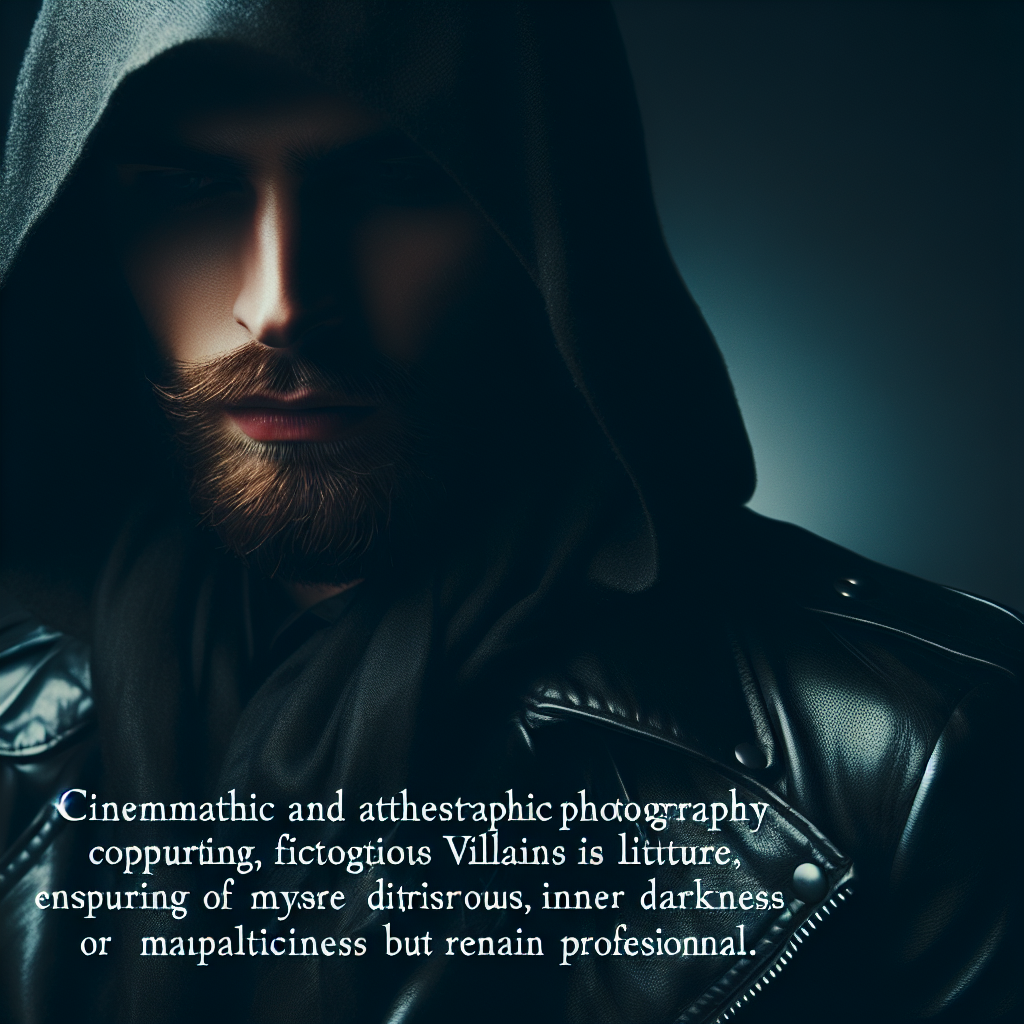
Maggie Stiefvater has long been celebrated for her vivid prose and the intricate, sometimes shadowy characters that populate her novels. Nowhere is this more apparent than in her critically acclaimed series, "The Raven Cycle," where the antagonists, particularly Joseph Kavinsky and Piper Greenmantle, are as complex and compelling as the protagonists. In "The Raven Cycle," Stiefvater crafts villains who are not just obstacles for the heroes to overcome but are nuanced characters with their own motivations, backstories, and, notably, their own darkness.
Joseph Kavinsky, introduced in "The Dream Thieves," can be seen as the embodiment of reckless abandon and destructive creativity. A fellow dreamer like protagonist Ronan Lynch, Kavinsky represents a path Ronan might have taken had he surrendered to the darker impulses of his dream manifestations. Kavinsky's reckless use of his dream power is a cautionary tale about the corrupting potential of unchecked desire and ambition. Unlike Ronan, who is grounded by his connections and the desire to protect those he loves, Kavinsky is isolated, driven by a need to prove himself and validate his existence in a world he perceives as indifferent. His destructive behavior and penchant for chaos reveal a deep-seated insecurity and a profound sense of loneliness, elements that Stiefvater deftly weaves into his character arc.
Piper Greenmantle, introduced later in the series, offers a different flavor of villainy that is no less captivating. Where Kavinsky is brash and overt in his rebellious tendencies, Piper operates with a calculated and almost gleeful malice. Her motivations are steeped in the pursuit of power and influence, often hidden behind a facade of charm and sophistication. Stiefvater uses Piper to explore themes of manipulation and ambition, illustrating how charisma can be a weapon as potent as any physical force. Piper’s storyline is a testament to the dangers of underestimating those who wield social influence as a form of control, and she exemplifies the concept that true villainy can be as much about control and subtlety as it is about overt acts of evil.
What sets Stiefvater's antagonists apart is the depth of their characterizations. They are not simply evil for the sake of plot progression; instead, they are multi-dimensional, with pasts and motives that are explored with as much care as those of the heroes. Through Kavinsky and Piper, Stiefvater investigates the nature of darkness itself, inviting readers to consider the thin line between villain and hero—a line often defined by circumstance and choice. Kavinsky’s story is tragic because it highlights the potential for redemption that is never realized, a stark contrast to the journeys of the series' protagonists who constantly battle their inner demons with varying degrees of success.
Moreover, Stiefvater skillfully blurs the lines between light and dark, forcing the reader to confront the uncomfortable truth that the potential for both resides in everyone. The series suggests that understanding one's darkness, as opposed to being consumed by it, is a critical aspect of personal growth. In both Kavinsky and Piper, readers see reflections of the protagonists' struggles, albeit on paths that diverge toward destruction rather than redemption.
"The Raven Cycle" ultimately becomes as much about the antagonists' journeys as those of the heroes. This narrative balance is a testament to Stiefvater’s ability to craft a story that resonates with complexity and authenticity. By providing depth and dimension to her villains, Stiefvater elevates the series beyond a simple tale of good versus evil, transforming it into a rich exploration of the human condition. As readers journey through the series, they are left to ponder the choices that define the characters, and perhaps themselves.
In an era where the lines between hero and villain can sometimes blur, Stiefvater’s "Raven Cycle" offers a timely narrative that challenges the traditional paradigms of storytelling. Her work underscores the notion that understanding the darkness within is as crucial as heralding the light, an idea that resonates powerfully with contemporary readers.