The building occupies nearly an entire block on Washington Street, a former meatpacking warehouse whose original function is still visible in the industrial hardware that studs its facade: loading dock doors, meat rail tracks, and the ghostly stencils of companies that processed beef and pork here for the better part of a century. The conversion into a nightclub has preserved these elements with a care that borders on reverence, integrating them into a design that is simultaneously industrial and opulent, raw and refined. At 15,000 square feet across three levels, it is the largest new nightclub to open in Manhattan in over a decade, and its ambitions match its footprint.
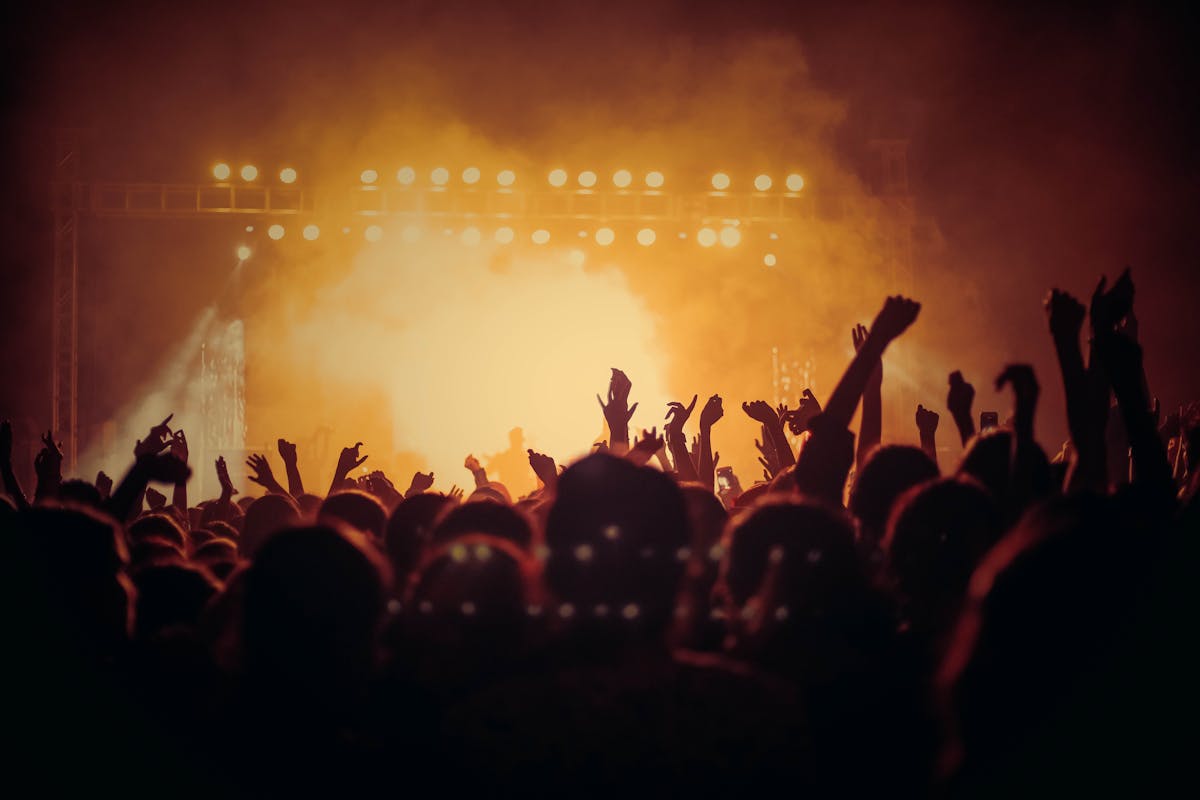
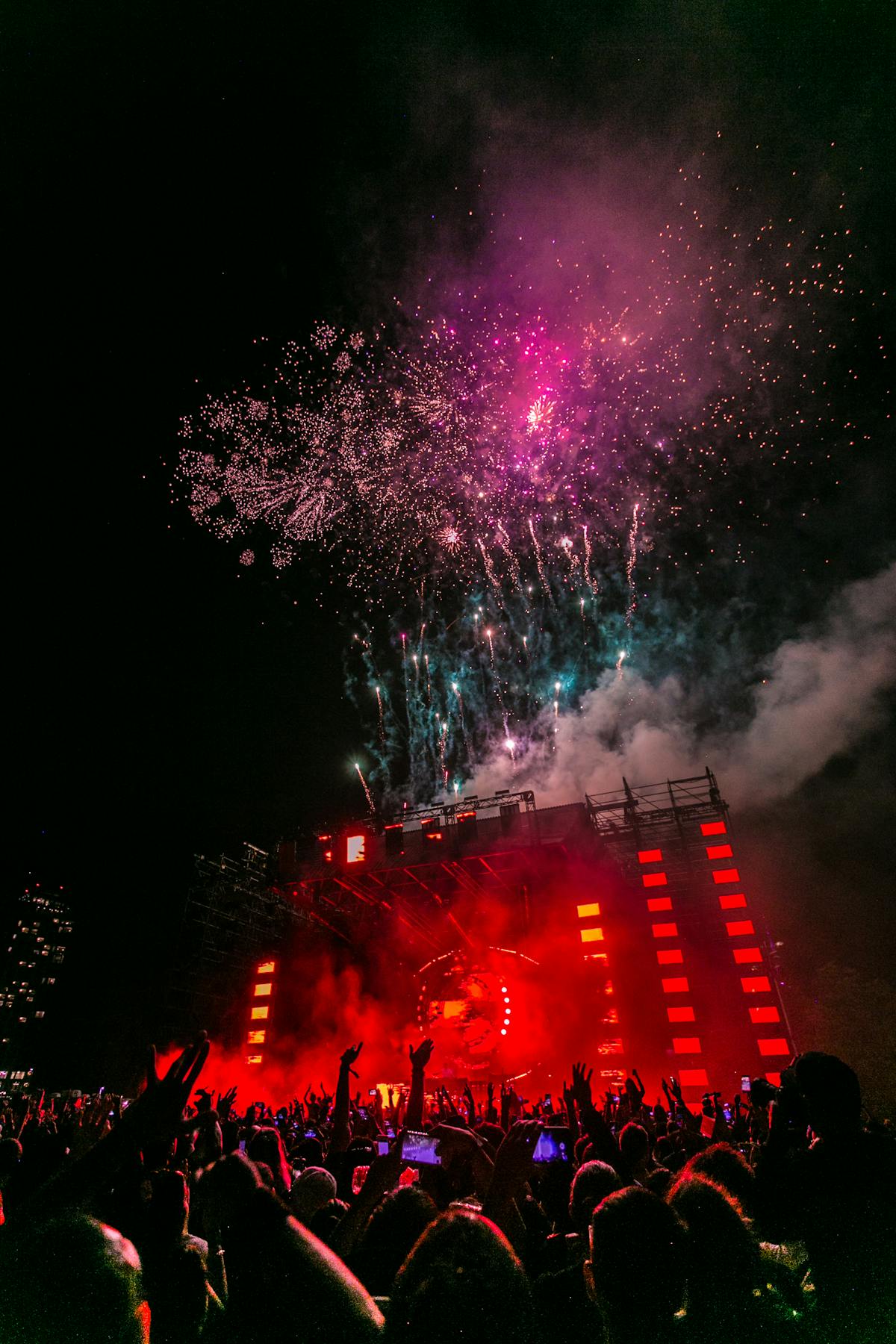
The opening night, held on a Saturday in early March, drew a crowd that spilled onto the cobblestone streets of the Meatpacking District and, at its peak, wrapped around the block. The guest list — a carefully curated mix of fashion industry figures, nightlife veterans, downtown artists, uptown socialites, and the particular species of beautiful stranger that every successful nightclub requires — suggested a venue that was aiming not for a niche but for the center of the city's nightlife culture. The sound system, designed by a firm that has built rigs for clubs in Berlin and Ibiza, was powerful enough to feel in your sternum from the moment you passed through the entrance. The DJ — a figure from the international electronic music circuit whose name alone justified the price of admission — played a set that moved from deep house to techno to something harder and less classifiable, guiding the crowd through a six-hour arc of increasing intensity.
The Concept
The operators behind the venue have been explicit about their reference point: they want to recapture the energy of the great New York nightclubs of previous eras — Studio 54, the Limelight, the Tunnel, Twilo — while building something native to the current moment. The comparison is audacious and, in certain respects, earned. The space has the scale, the sound, and the design ambition that the great clubs possessed. What remains to be seen is whether it can cultivate the cultural significance — the sense of being the place where the city's creative energies converge and combust — that distinguished those venues from mere entertainment businesses.
The design of the space reflects this ambition. The main room, which occupies the ground floor, is a cathedral-scale dance floor with ceilings that rise to 25 feet, exposed steel beams, and a lighting rig that cost more than many Manhattan apartments. A mezzanine level wraps around three sides of the room, offering VIP table service and a perspective on the dance floor below that evokes the balcony views of classic opera houses. A third level, accessible by a separate entrance, houses a smaller, more intimate room with its own sound system and programming, designed for the kind of experimental and underground music that the main room's commercial programming cannot accommodate.
The Meatpacking Context
The choice of the Meatpacking District as the venue's location is historically resonant. The neighborhood was, in the 1990s and early 2000s, the epicenter of New York's after-dark culture, home to clubs, bars, and late-night establishments that drew the city's most adventurous nightlife seekers to its cobblestone streets. The arrival of the High Line, luxury retail, and high-end dining transformed the neighborhood over the subsequent decade into a daytime destination, and its nightlife identity faded as the old venues were replaced by boutiques, galleries, and restaurants that closed before midnight.
The new club represents a bet that the Meatpacking District can support a renewed nightlife presence alongside its evolved daytime identity. The bet is not without risk. The neighborhood's residential population has grown significantly, and the tolerance for late-night noise and activity that characterized the old Meatpacking District may not extend to the new one. Community board discussions about the club's liquor license were contentious, with some residents expressing concern about the impact of a large nightclub on quality of life. The operators negotiated a series of conditions related to noise mitigation, crowd management, and operating hours that they describe as among the most stringent ever imposed on a Manhattan nightclub.
The economic model requires scale. The investment in the space — the build-out, the sound system, the lighting, the staffing — is substantial, and the revenue required to sustain it demands high capacity and premium pricing. Bottle service tables on the mezzanine start at $2,000, and the general admission cover charge on peak nights reaches $60. The drinks are priced accordingly. The economics work only if the club can consistently attract the kind of crowd that is willing to pay these prices, which means maintaining a level of cultural currency that justifies the premium.
Opening Night and Beyond
On opening night, the cultural currency was abundant. The room was full of the kind of people who make a venue feel important — the ones who are there not because of the marketing but because of the music, the energy, and the company. The DJ delivered a set that justified the sound system. The dance floor — a proper dance floor, the kind of open expanse that New York's more recent, more intimate venues cannot offer — was in constant, joyful motion. The night felt, for the first time in a long time, like a New York nightclub opening that mattered.
Whether that feeling sustains itself beyond opening night is the question that every new nightclub must answer, and that no amount of investment or ambition can guarantee. The history of New York nightlife is littered with ambitious openings that faded into irrelevance within months. The survivors — the clubs that last, that matter, that become part of the city's cultural memory — are the ones that cultivate something beyond spectacle: a community, a sensibility, a reason to return. The space is spectacular. The sound is extraordinary. The question is what happens in that space, on those nights, when the opening night glamour fades and the real work of building a nightclub begins.