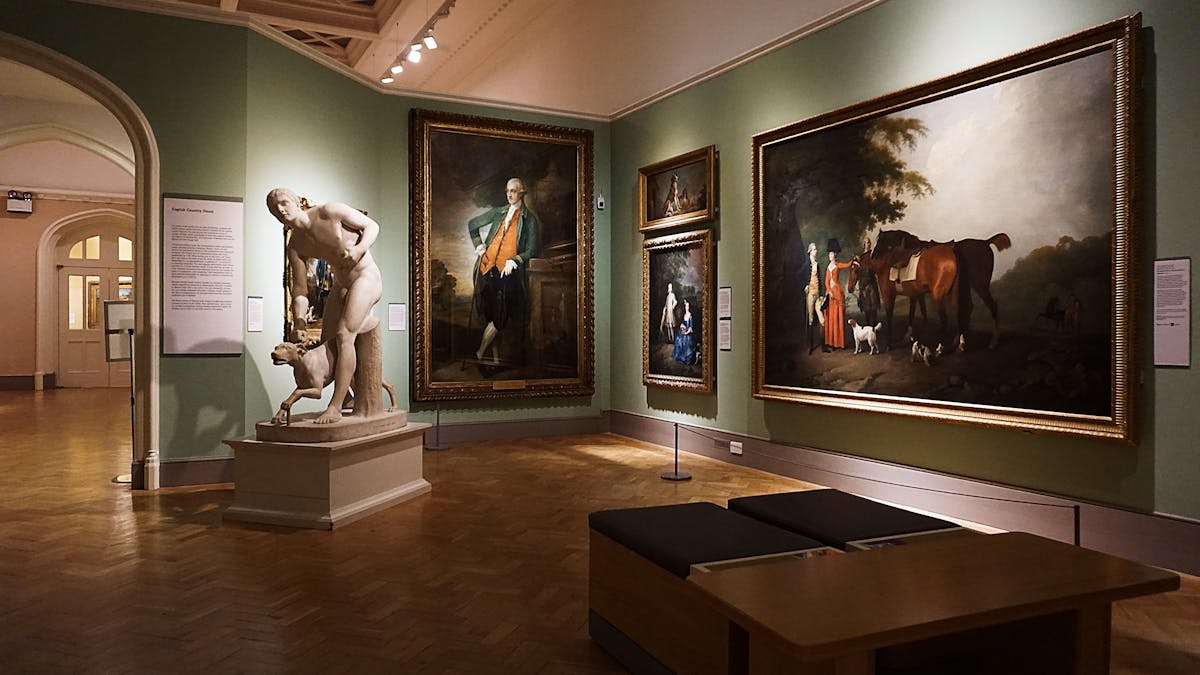
The room is small enough that you can see the singer's breath when she leans into the microphone. There are perhaps sixty people seated at tables covered in white linen, each with a single candle and a cocktail that costs what a meal costs at most restaurants. The food arrives between songs — three courses, designed to be eaten without looking away from the stage, the portions elegant rather than generous. The performer knows everyone can hear her without amplification but uses the microphone anyway, because the microphone is part of the aesthetic, part of the mid-century fantasy that the room has been designed to evoke. This is a Tuesday night in the West Village, and it is sold out three weeks in advance.
The supper club, a format that most New Yorkers associated with black-and-white photographs of the Stork Club and the Copa, has made a dramatic return to the city's entertainment landscape. The revival is not nostalgic cosplay. The new supper clubs draw on the historical format — the combination of dining, drinking, and live performance in a single, curated experience — but adapt it to contemporary tastes and economics in ways that have made it one of the hottest tickets in the city.
The New Format
The contemporary supper club operates at the intersection of three industries — restaurants, nightlife, and live entertainment — and borrows the best elements of each. The dining is significantly more ambitious than what the original supper clubs offered; the kitchens at the best new venues are run by chefs with serious culinary credentials, producing food that would be noteworthy in a standalone restaurant. The drink programs are curated by bartenders from the city's craft cocktail establishment. The performances — which range from jazz and cabaret to burlesque, magic, and comedy — are booked with the care and quality standards of a dedicated performance venue.
The integration of these elements is what distinguishes the supper club from a restaurant with live music or a theater with a bar. In a well-run supper club, the dining and the performance are choreographed together, the courses arriving during natural breaks in the show, the lighting adjusting to shift the audience's attention from plate to stage and back again. The experience is designed to be consumed as a single, unbroken evening, not a dinner followed by entertainment or entertainment accompanied by food.
The Economics
The business model is attractive to operators because it generates revenue from multiple streams simultaneously. A supper club that charges $125 per person for a fixed-price dinner-and-show package is earning more per seat than either a restaurant charging $60 for dinner or a performance venue charging $40 for a ticket. The premium is justified by the exclusivity of the experience — most supper clubs seat fewer than 80 — and by the perceived value of a complete evening's entertainment in a single transaction.
The economics also favor performers, who can earn more from a supper club engagement than from an equivalent night at a traditional performance venue. The audience, having committed to an evening that includes a meal and drinks, is more attentive and more generous than a bar crowd, and the intimate scale of the rooms creates a performer-audience relationship that many artists find more rewarding than larger venues.
The challenge is execution. The supper club format requires excellence in three distinct disciplines — food, drink, and entertainment — and weakness in any one undermines the entire experience. A mediocre kitchen will doom a supper club regardless of the quality of its performers, and a poorly booked show will leave diners feeling that they overpaid for a meal with background music. The operators who have succeeded in the current market have done so by refusing to compromise on any of the three pillars, which requires a level of investment and expertise that not everyone attempting the format can sustain.
The Cultural Moment
The supper club's revival reflects a broader shift in how New Yorkers think about their evenings. The pre-pandemic pattern of dinner at one venue followed by drinks at a second and perhaps a show at a third has been partially replaced by a preference for curated, all-in-one experiences that reduce the logistical complexity of a night out. The appeal is partly practical — coordinating multiple reservations and navigating between venues in a city where transportation is unpredictable is genuinely exhausting — and partly philosophical, reflecting a desire for experiences that feel complete and intentional rather than assembled from disconnected parts.
The format also taps into a nostalgia that predates the personal experience of most of its audience. The original supper clubs — the Copacabana, the Latin Quarter, the Blue Angel, the Café Society — closed decades before most current New Yorkers were born. But their cultural resonance persists through film, television, and the collective imagination of what New York nightlife is supposed to feel like. The new supper clubs offer a contemporary version of that fantasy, updated in its culinary ambition and artistic programming but faithful to the original premise that the best nights are the ones where everything happens in the same room.
On a Tuesday in the West Village, the singer finishes her set. The candles gutter. The dessert arrives. Nobody reaches for their phone to figure out where to go next. They are already there.