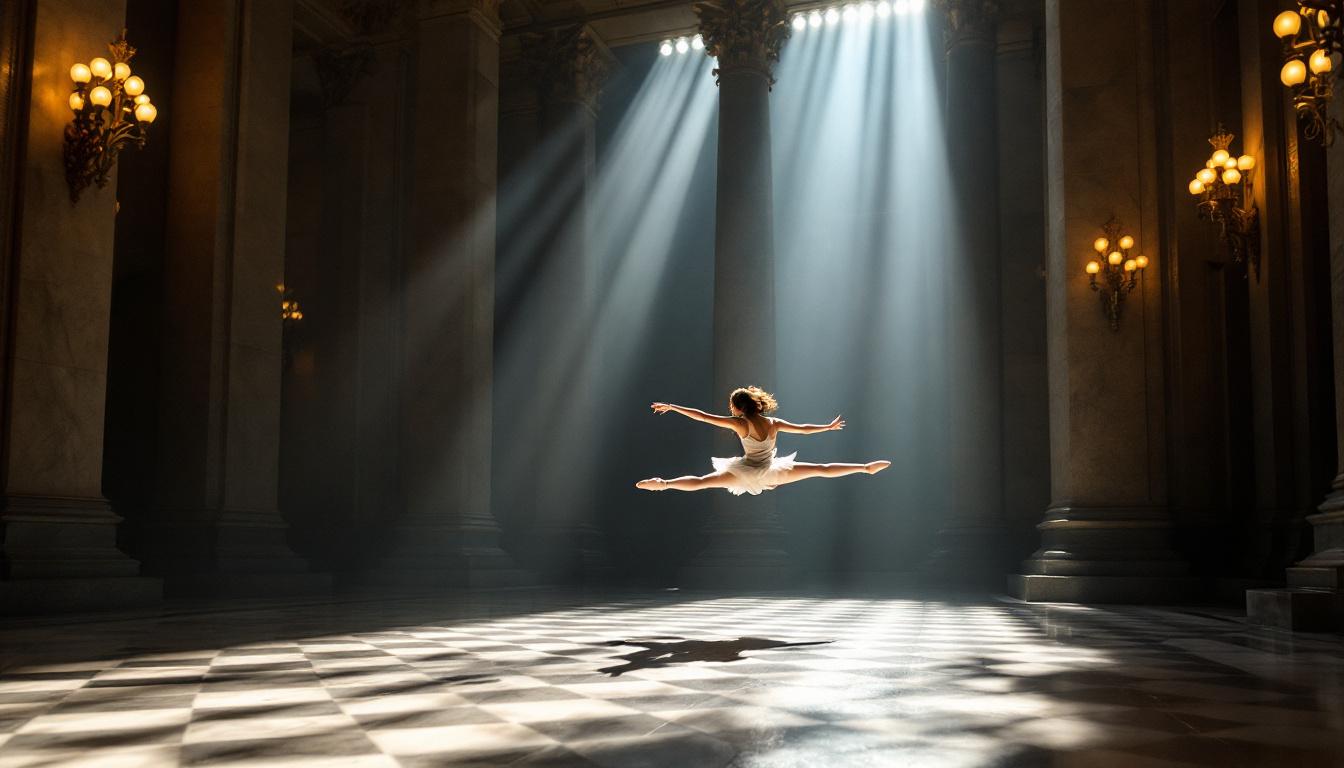
The Kuperman brothers, celebrated for their innovative approach to physical theater, turned movement into the show’s true language, allowing the performers to transcend traditional narrative methods. The show’s sprawling six-floor expanse, buried within the bowels of a historic 1931 bank building, provided an extraordinary canvas for their choreography. Each floor became a distinct chapter in a mesmerizing tale, brought to life through intricately woven patterns of human motion.
From the moment attendees crossed the threshold into this meticulously crafted world, they were enveloped in a dance of light and shadow, where performers moved seamlessly between roles of banker, bystander, and phantom. The choreography was not merely accompaniment; it was the pulse of the narrative, imbuing scenes with layers of meaning that resonated on both an intellectual and visceral level. Each moment was a testament to the precision and creativity of a team that understood the profound impact of movement as a narrative device.
The performers, numbering over forty, were nothing short of extraordinary. Their dedication to the craft was evident in every deliberate motion, every expressive pause. They carried the weight of history in their limbs, interpreting the perils and passions of a bygone era with an authenticity that captured the hearts of all who wandered the halls of Conwell Tower. With the guidance of the Kupermans, these artists transformed their bodies into instruments of storytelling, conveying emotions and conflicts that words alone could never articulate.
Moreover, the production was supported by an exceptional crew who ensured that every aspect of the experience was as immersive as the choreography. From the attentive front-of-house staff to the talented food and beverage team, each person played a vital role in transporting the audience back to a time of opulence and impending doom. Together, they crafted a world so complete that it was all too easy to forget the modern city bustling just outside the building’s imposing doors.
Yet, in this sorrow, we must honor what was created within those hallowed walls. Life and Trust was more than a theatrical performance; it was a testament to the power of movement and the human capacity to communicate through the grace and strength of the body. It was a celebration of history, art, and the indomitable spirit of those who dared to push the boundaries of immersive theater.
As we look back on Life and Trust, let us remember the language of the Kuperman brothers, spoken through the elegant dance of its performers. Let us hold dear the memories of a world where bank vaults housed dreams and despair, and where every movement resonated with the echoes of a forgotten era. In the annals of immersive theater, this production will forever remain a beacon of innovation and a poignant reminder of the ephemeral beauty of live performance.