The Dream Thieves: Ronan Lynch and the Art of Dreaming
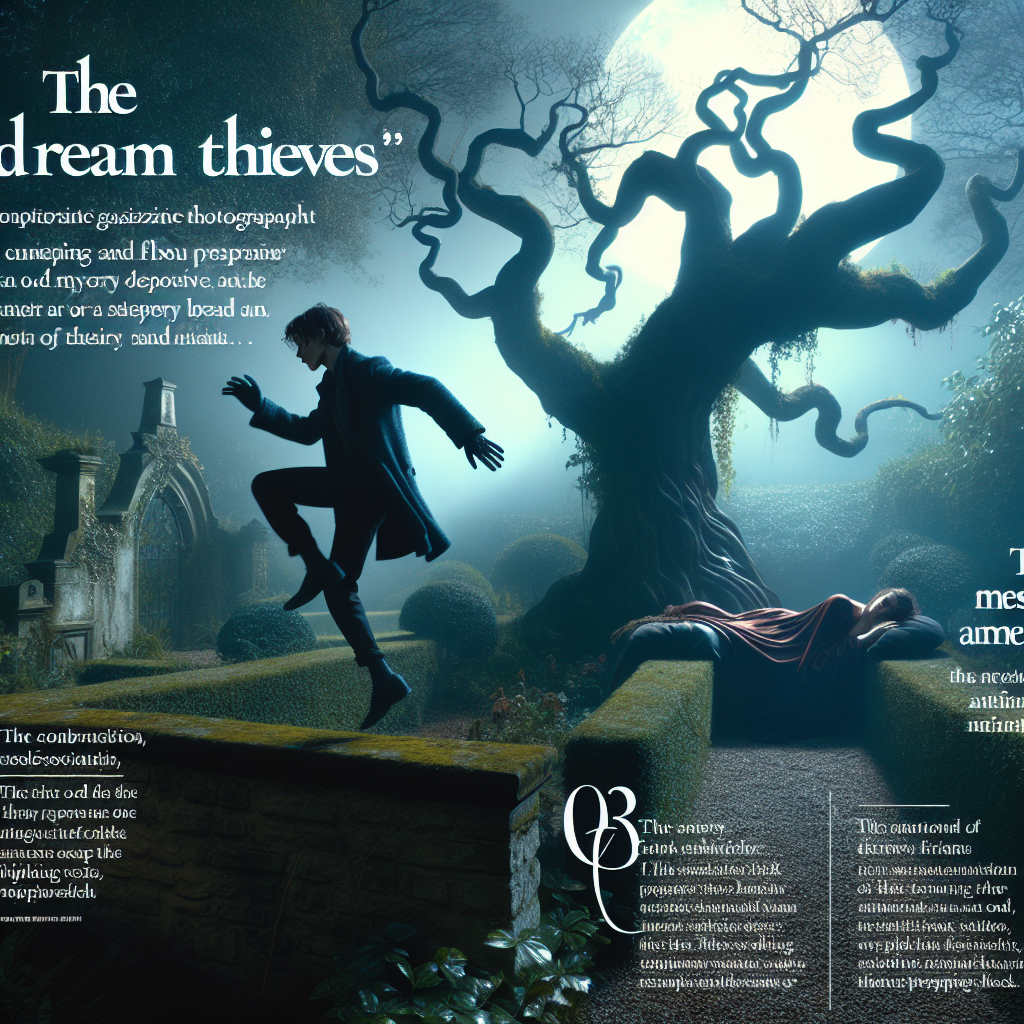
In the ever-evolving landscape of young adult literature, few authors have managed to captivate the imaginations of readers as effectively as Maggie Stiefvater. With her signature blend of lyrical prose and mystifying narratives, Stiefvater's work resonates deeply with both young adults and adult readers alike. Her 2013 novel, "The Dream Thieves," the second installment in the critically acclaimed "Raven Cycle" series, stands as a testament to her ability to weave a story that is as enigmatic as it is enchanting. At the heart of this narrative lies Ronan Lynch, a character whose complex relationship with dreams challenges the boundaries between the conscious and the unconscious.
"The Dream Thieves" immerses readers in a world where dreams are not mere figments of imagination but tangible entities that can be drawn into reality. Ronan Lynch, one of the enigmatic Raven Boys, possesses the rare ability to pull objects from his dreams into the waking world. This power, while surreal and fascinating, carries with it a heavy burden and dangerous implications. Stiefvater crafts Ronan’s journey with great care, highlighting the intricate dynamics of his power and the psychological ramifications it incurs.
Stiefvater’s portrayal of Ronan is a masterclass in character development. He is not a typical protagonist; instead, he is a complex figure with a brooding exterior that conceals a deeply vulnerable interior. His journey is as much about self-discovery as it is about adventure. Through Ronan, Stiefvater explores themes of identity, family legacy, and the struggle to reconcile one's inner world with the external reality. As readers, we are swept along on Ronan’s quest to understand his abilities, all the while grappling with the emotional turmoil that accompanies such a talent.
The concept of dreams as a narrative device is not new to literature, yet Stiefvater's execution is refreshingly original. She imbues dreams with a visceral quality, transforming them into both a source of danger and a wellspring of wonder. In "The Dream Thieves," dreams become a metaphor for the subconscious mind, a space where desires, fears, and memories intertwine. Through Ronan's dream world, Stiefvater deftly explores the thin veil separating reality from illusion, compelling readers to question the very nature of perception and existence.
Moreover, "The Dream Thieves" delves into the broader implications of dream-theft, examining how power can corrupt and isolate. Ronan’s ability to manifest his dreams draws the attention of nefarious forces, including the enigmatic Gray Man, whose pursuit of power mirrors Ronan’s own journey of self-discovery. This tension escalates throughout the novel, creating a rich tapestry of conflict that is as psychological as it is physical. Stiefvater skillfully navigates these dualities, ensuring that the narrative is as thought-provoking as it is thrilling.
Stiefvater’s prose is a standout feature of the novel, offering a vivid and sensory experience that brings the world of the Raven Cycle to life. Her language is both lush and precise, capturing the ethereal quality of dreams with an almost cinematic clarity. This stylistic choice enhances the novel’s ambiance, drawing readers into a world that is at once familiar and fantastical.
At its core, "The Dream Thieves" is more than just a tale of dreams and magic; it is a profound exploration of the human condition. Through Ronan Lynch, Stiefvater invites readers to ponder the nature of dreams, the depths of the subconscious, and the complexities of self-identity. The novel's narrative structure, characterized by its fluid interplay between dreams and reality, challenges readers to contemplate the delicate balance between the two.
As we find ourselves in October 2020, amidst a world grappling with its own blurring of realities, the themes presented in "The Dream Thieves" feel particularly resonant. It is a reminder of the power of literature to offer both escape and reflection. As Ronan Lynch navigates his dreamscapes, readers are invited to embark on their own journeys of introspection, dreaming not only of what is but what could be. Maggie Stiefvater’s "The Dream Thieves" thus stands as a beacon of creativity and imagination, encouraging us all to explore the art of dreaming.