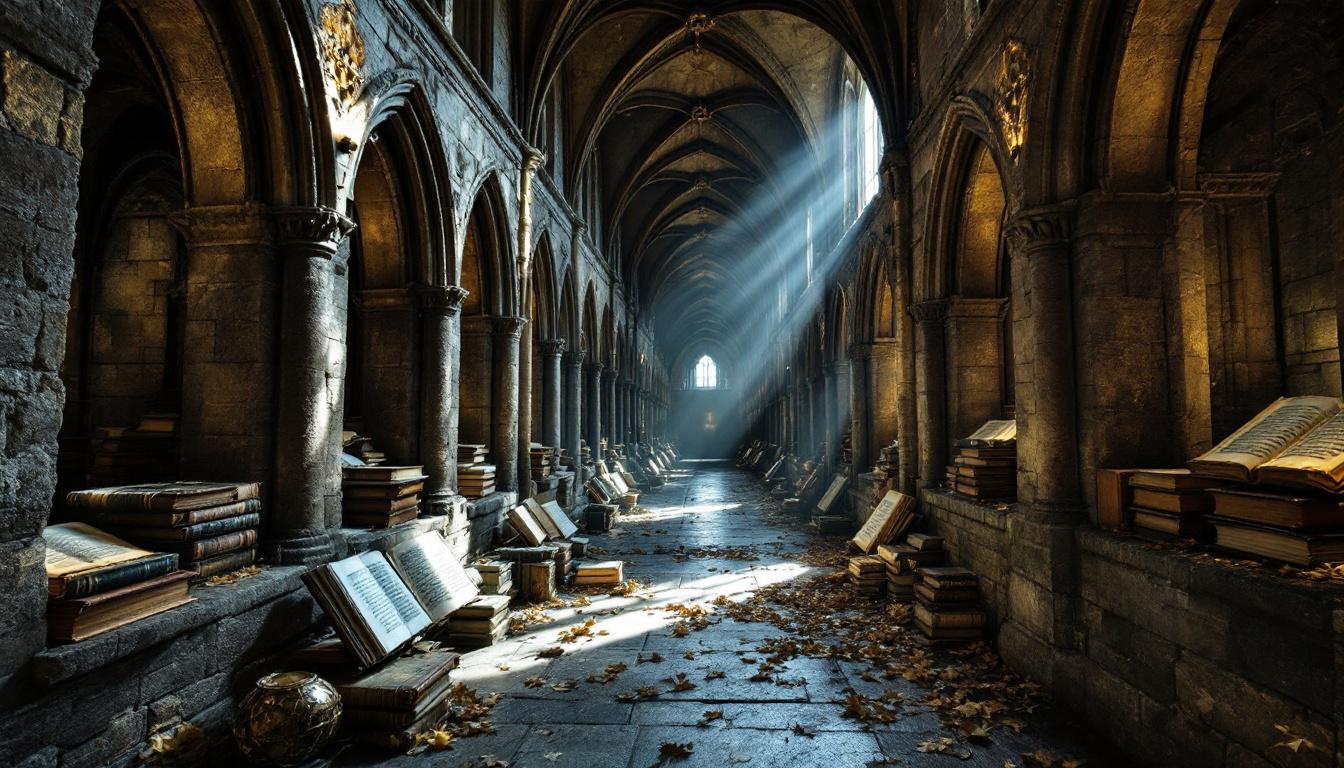
In the dimly lit corners of literary history, Gothic fiction has long cast its shadow, captivating readers with its sinister charm and supernatural allure. Once relegated to the realms of Victorian parlors and haunted castles, this evocative genre is experiencing a renaissance, one that has transcended its 18th-century origins to find new life among contemporary authors and eager audiences. This resurgence is no more apparent than in New York, where the legacy of Gothic fiction is being reimagined and reinvigorated.
The resurgence of interest in Gothic fiction can, in part, be attributed to the lasting influence of literary titans such as Edgar Allan Poe. Often heralded as the master of macabre, Poe's contributions to the genre have set the foundational tone: a delicate balance between psychological horror and poetic elegance. His works, from "The Tell-Tale Heart" to "The Fall of the House of Usher," continue to haunt the imaginations of readers and writers alike. Poe's influence is particularly palpable in New York, where he penned some of his most chilling tales and where his spirit seems to linger in the darkened alleyways and historic locales.
Today's Gothic fiction authors draw inspiration from this storied past while infusing the genre with contemporary themes and settings. Among these modern torchbearers is Tananarive Due, whose works blend Gothic elements with African American folklore and historical narratives, creating a rich tapestry that challenges and expands the genre’s traditional boundaries. Similarly, authors like Silvia Moreno-Garcia and her novel "Mexican Gothic" have reinvigorated interest in Gothic stories by introducing cultural dimensions previously unexplored in the genre's canon.
New York City, with its gothic architecture and urban myths, serves as a fitting backdrop for this literary revival. The city itself is a testament to the genre’s ability to adapt and thrive in new environments. From the haunting halls of The Dakota, where John Lennon once lived, to the eerie serenity of Green-Wood Cemetery in Brooklyn, New York offers a modern Gothic landscape ripe for exploration. These sites not only provide inspiration but also serve as venues for events celebrating this literary revival, such as readings and workshops hosted by local independent bookstores and literary festivals.
The renewed interest in Gothic fiction is also fueled by the genre's inherent adaptability. Today’s authors are incorporating diverse perspectives and voices, thus expanding its appeal and relevance in our multicultural society. This inclusivity reflects a broader trend within the literary world, as readers increasingly seek stories that resonate with their own experiences and worldviews. As a result, Gothic fiction has become a vibrant platform for exploring themes of identity, power, and resilience, often through the lens of the supernatural.
Moreover, the digital age has played a pivotal role in amplifying the Gothic revival. Social media platforms, online forums, and digital publishing have made it easier than ever for fans and writers of Gothic fiction to connect, share, and collaborate. Virtual book clubs, hashtagged discussions on Twitter, and dedicated Gothic fiction blogs have created a global community that bridges the gap between past and present, tradition and innovation.
In academia, Gothic fiction is being revisited as a subject of serious study, with scholars examining its cultural significance and evolution over time. Universities in New York and beyond are offering courses that delve into Gothic literature's psychological and sociopolitical underpinnings, encouraging a new generation to appreciate its complexities and its capacity to reflect societal anxieties.
This Gothic fiction renaissance is not just a fleeting trend; it is a testament to the genre's enduring power to intrigue and unsettle. As new authors continue to push its boundaries, and as readers embrace its dark allure, Gothic fiction promises to remain a vital and dynamic part of our cultural landscape. Its ability to evolve and resonate with contemporary audiences ensures that this revival will continue to thrive, offering both homage to its origins and a fresh perspective on the mysteries of the human experience.
In the end, the Gothic fiction renaissance is a celebration of the genre's rich history and its potential for future innovation. From the eerie verses of Edgar Allan Poe to the genre's modern-day manifestations in New York and beyond, Gothic fiction remains a compelling force, drawing us into its shadowy fold with promises of mystery, terror, and the sublime.