The White Mask and What It Means: On Becoming Anonymous in the McKittrick
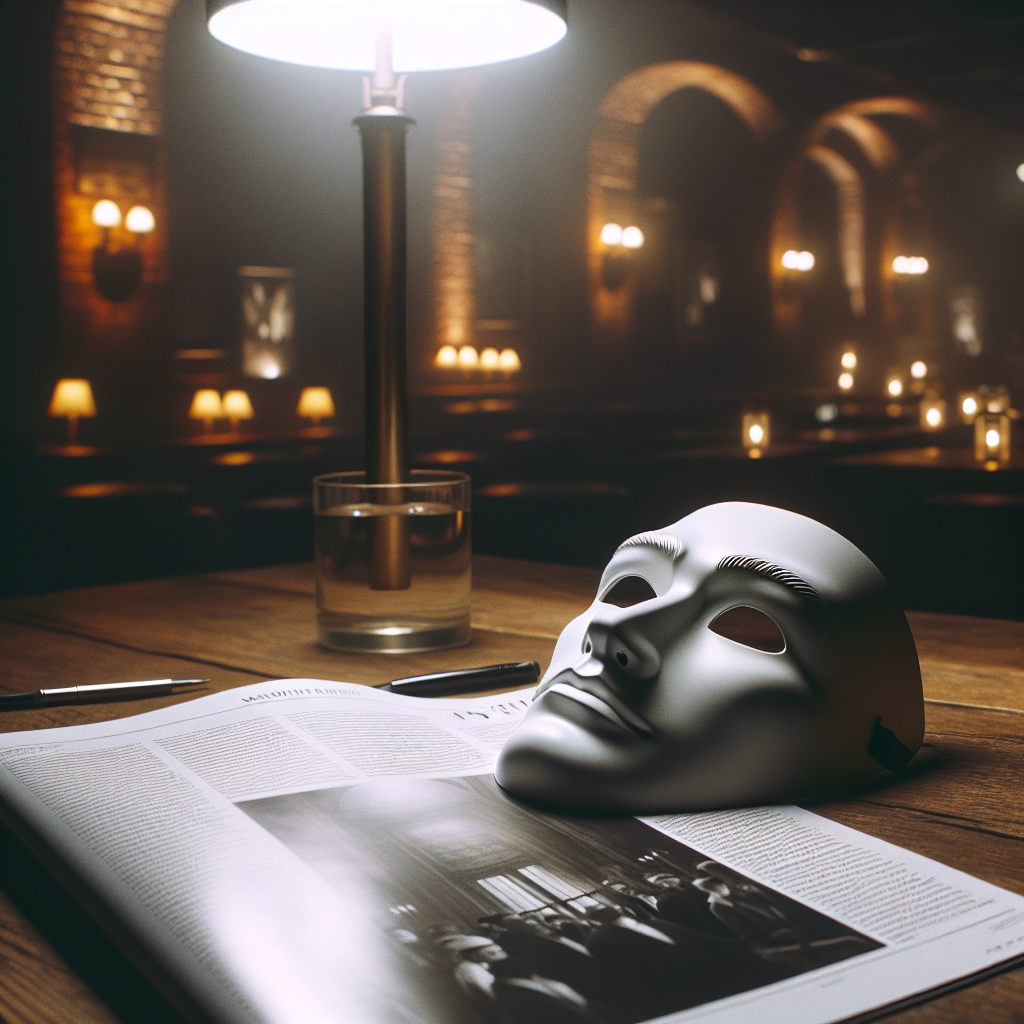
The white mask is your invitation into the labyrinthine narrative of Punchdrunk’s Sleep No More, a visual masterpiece that has captivated New York from 2011 through its final bow in early 2025. Under its anonymity, the hotel’s guests explore a reimagined tale of Macbeth, cast in the mysterious glow of 1930s film noir. It is an experience that transcends the boundaries of traditional theater and allows for a personal journey through the hushed rooms and shadowy corridors of the McKittrick.
I discovered this world only recently, drawn by whispered tales and enthusiastic recollections, and it was love at first breath. Attending multiple times from September 2024 until that poignant final night, I experienced the thrill of anonymity the mask provides—a stark contrast to the bustling identity-driven city outside.
The mask frees you from judgment, from the expectations of self and others. It allows you to become an observer and a participant, a specter gliding silently through a story unfolding around you. This cloak of anonymity is paradoxically liberating; your movements become bolder, your curiosity sharper, no longer hindered by the self-consciousness that defines our public and personal lives.
In the dim, atmospheric lighting of the McKittrick, the mask serves as a great equalizer. Here, everyone is a blank slate, free to create their own narrative. Your anonymity becomes a shared experience, uniting you with strangers also hidden behind their identical facades. Each performance of Sleep No More is a kaleidoscope of individual discoveries, where every mask conceals a unique interpretation of the story—a testament to the power of immersive theater to transform audience members into co-creators of art.
The white mask is not just a physical object; it becomes an emotional shield. As the drama unfolds in silence, the mask aids in amplifying your inner dialogue, allowing you to process the tensions and beauty of the scenes that play out before you. It creates a safe space to confront emotions that might otherwise remain dormant, offering a rare opportunity for introspection amidst the sensory overload.
As the action winds through the McKittrick’s meticulously crafted spaces—each room a character in its own right—the mask allows you to slip unnoticed among the performers. You are both invisible and omnipresent, a ghostly witness to the unraveling of Shakespeare’s tragedy, seen through a noir lens. This anonymity enhances the intimacy of the experience, where even the smallest gestures and subtlest expressions draw you deeper into the narrative.
The legacy of Sleep No More is one of profound impact and enduring influence. It has challenged and reshaped the boundaries of theatrical engagement, highlighting the transformative power of anonymity in storytelling. As the McKittrick Hotel closes this chapter, the spirit of the white mask lingers, a symbol of the freedom found in losing oneself within a story.
For those who experienced it, the show leaves an indelible mark—an invitation to embrace the unknown and find magic in the shadows. As I reflect on my own journey through Sleep No More, I cherish the anonymity that allowed me to connect so deeply with the art and with myself. In the heart of the McKittrick, where whispers and secrets dance, the white mask remains a testament to the immersive wonder that was Sleep No More.