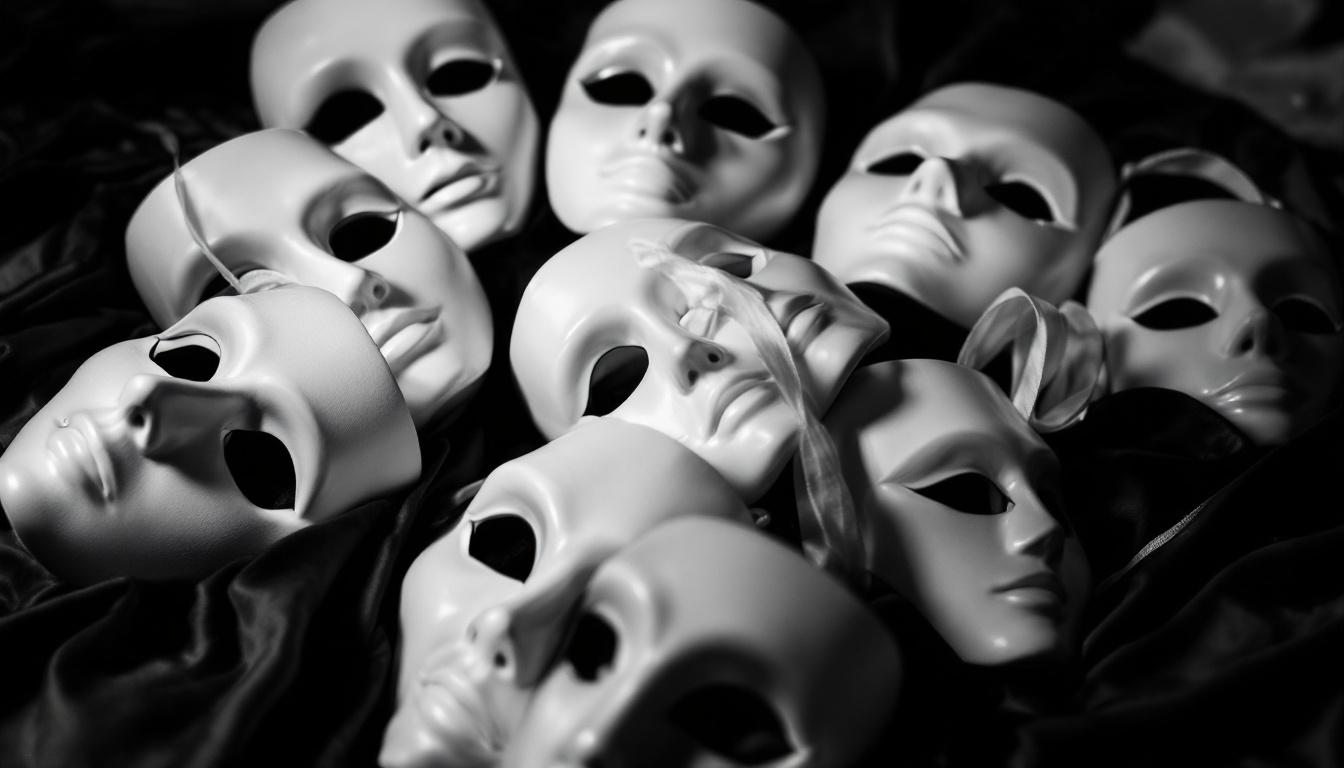
In the dimly lit corridors of the McKittrick Hotel, a faint shiver of anticipation ripples through the air. Here, the theatergoers are not just spectators but ghostly participants in an unfolding narrative. They are clad in identical white masks that both unnerve and empower, transforming them into anonymous witnesses of the enigmatic production, "Sleep No More." This immersive theater experience, presented by British company Punchdrunk, has captivated New York audiences since its opening in 2011, and at its core, the iconic white mask plays a pivotal role in crafting the surreal, transformative atmosphere that defines the performance.
"Sleep No More" reimagines Shakespeare's classic tragedy "Macbeth" through the lens of a film noir thriller, inviting audiences into a meticulously designed world where they are free to roam, explore, and choose their own paths. The decision to obscure the audience's faces with white masks is not merely an artistic flourish; it is an integral component of the show's immersive strategy. These masks serve as both a shield and a passport, allowing theatergoers to traverse the boundary between spectator and participant, all while maintaining a cloak of anonymity.
The art of anonymous witnessing, as facilitated by these masks, offers a unique theatrical experience that is at once isolating and liberating. Within the confines of the mask, the audience is afforded a sense of security that encourages uninhibited observation and unfiltered emotional responses. Stripped of individual identity, each person becomes part of a collective ghostly presence, a silent observer whose anonymity allows them to absorb the unfolding narrative without the usual social constraints. This freedom invites a deeper engagement with the performance, as viewers are encouraged to follow their instincts, explore intimate scenes, and become active voyeurs in the story's unfolding drama.
This anonymity, however, does not render the audience invisible to themselves or each other. On the contrary, the presence of other masked figures heightens the sense of shared experience. The audience becomes complicit in the narrative, a chorus of silent watchers. There is a palpable sense of community within the anonymity, as each mask-clad participant navigates the labyrinthine space, encountering both the performers and one another. The mask thus becomes a paradoxical symbol—at once a barrier and a connection, isolating yet unifying.
The white masks also serve to blur the lines between reality and fiction, an effect that is heightened by the meticulously crafted environment of the McKittrick Hotel. Each room is a masterclass in detail, from the dimly lit bar to the eerie, abandoned nurseries. The mask allows patrons to lose themselves within this world, surrendering to the meticulously orchestrated chaos that unfolds around them. Indeed, the act of wearing a mask itself becomes a performance, as audience members find themselves slipping into roles governed by curiosity, voyeurism, and silent interaction.
Punchdrunk’s use of masks underscores the transformative power of theater, illustrating how anonymity can foster both a sense of individual freedom and collective experience. As each masked figure wanders through the hotel’s shadowy corridors, they are reminded of the duality of their role—both spectator and participant, a ghostly presence observing the spectacle of human drama. It is within this duality that "Sleep No More" finds its most potent expression, offering a theatrical experience that is as much about the act of witnessing as it is about the unfolding narrative.
In a time when our lives are increasingly mediated by screens and digital interactions, "Sleep No More" offers a striking return to the physicality of live performance. The white masks serve as a reminder of the power of anonymity, the thrill of the unseen, and the beauty of shared human experience. As audiences continue to flock to the McKittrick Hotel, they are drawn not only by the allure of the narrative but by the transformative potential of the masks themselves. In this dance of shadows and light, of identities obscured and revealed, "Sleep No More" remains a compelling testament to the enduring power of theater.