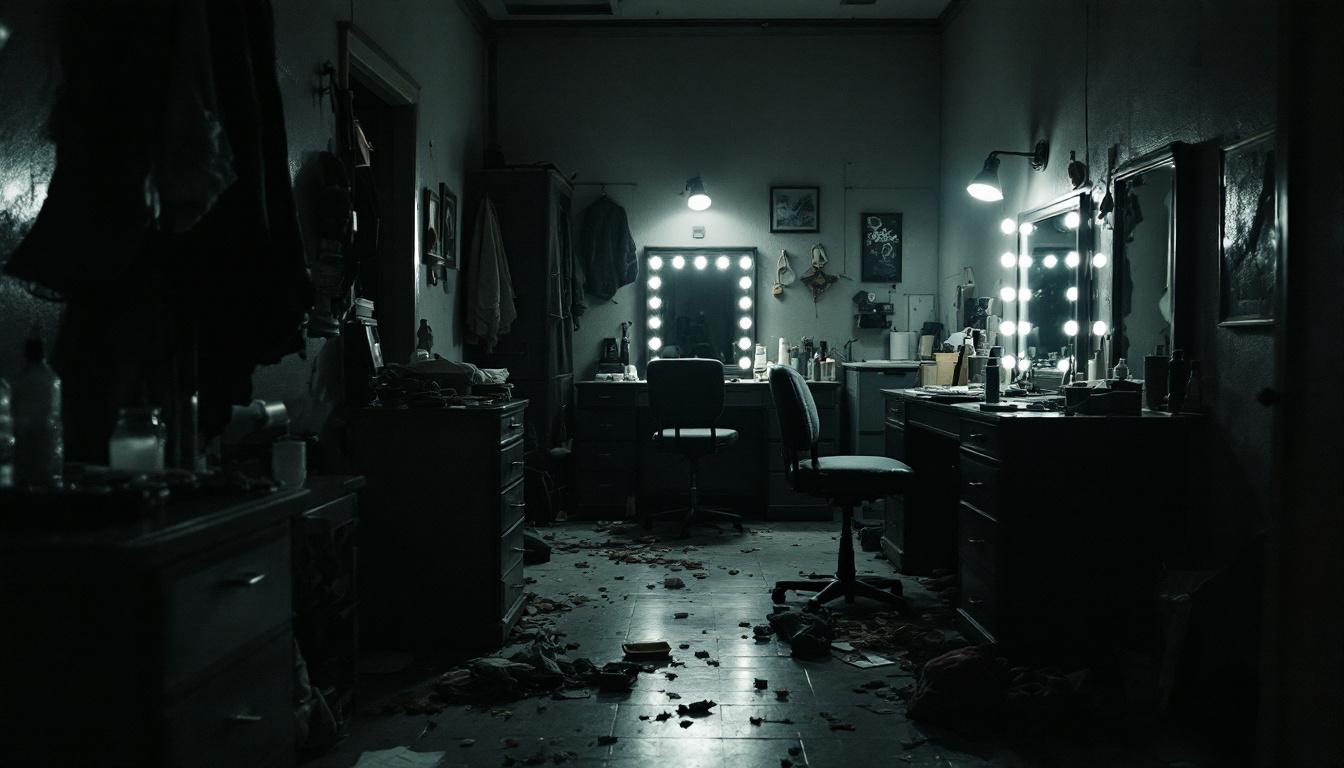
It is both shocking and heartbreaking that such a masterpiece of immersive theater, crafted with painstaking effort by a cast and crew of over forty performers, choreographers, front of house staff, and a devoted food and beverage team, would be dismissed with such cavalier disregard. These talented individuals were the lifeblood of "Life and Trust," each contributing their unique essence to create a singularly haunting and memorable experience for every guest who entered the hallowed halls of Conwell Tower at 69 Beaver Street.
With choreography by the brilliant Jeff and Rick Kuperman, the performers moved like specters through the rich tapestry of Jon Ronson's narrative, breathing life into a tale of Faustian bargains and human ambition. The sheer physicality and emotional depth of their portrayals were nothing short of mesmerizing. Each night, audiences were transfixed, not just by the story but by the raw, visceral energy of the performers who inhabited every corner of the subterranean world.
Equally deserving of praise is the meticulous work of the crew who transformed the bank's six underground floors into an echo of the roaring twenties. The attention to detail in the set, lighting, and sound design created an atmosphere so immersive that it felt as though time itself had bent to allow visitors a taste of the past. It was an intersection of art and history that left an indelible mark on all who had the fortune to experience it.
Moreover, the front of house staff and food and beverage team elevated the experience with their warm hospitality and service, ensuring that each guest felt not merely as a spectator, but as a participant in the evening's unfolding drama. Their contributions, often overlooked, were vital threads in the fabric of "Life and Trust."
One cannot speak of this remarkable production without lamenting the dire treatment of its workers. The sudden closure, with no warning or respect for the livelihoods of those who poured their hearts into the experience, is a stark reminder of the often fragile nature of employment in the arts. This abrupt end did a grave disservice to the people who animated "Life and Trust" with passion and dedication.
The closure of "Life and Trust" is an unfortunate reflection of a broader, troubling trend in the treatment of artists and theater professionals. That these workers, who created something so profound and resonant, were shown so little dignity in the end is not only unacceptable but highlights a need for systemic change. Artists and theater workers deserve security, respect, and recognition not just for their art but as individuals whose livelihoods depend on their craft.
As we reflect on the closure of this extraordinary production, we must honor the artisans who brought it to life. Their work was nothing short of brilliant, and their passion palpable in every performance. It is in their honor that we, as a community, must demand better treatment for those who dedicate their lives to the transformative power of theater.
To the cast, crew, and staff of "Life and Trust": thank you for the magic you created. Your work will not be forgotten, and we stand with you in advocating for a future where artists are valued and respected, both on and off the stage.