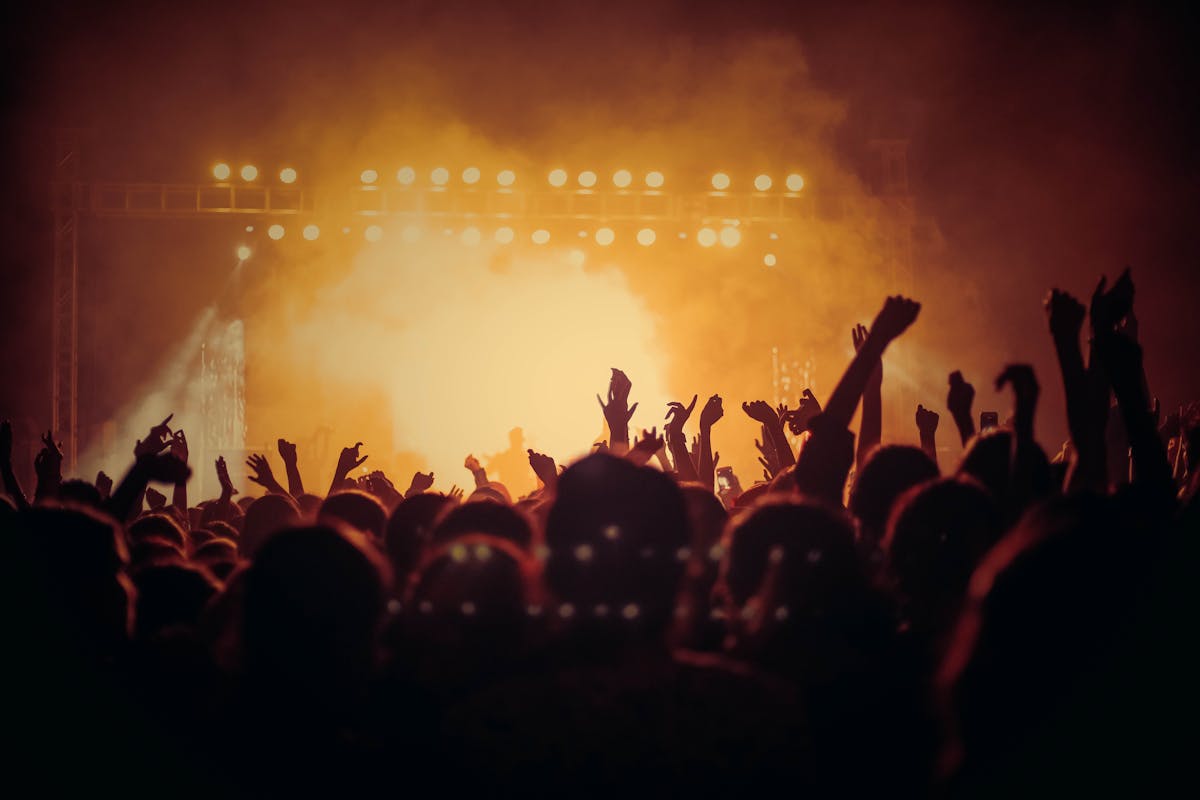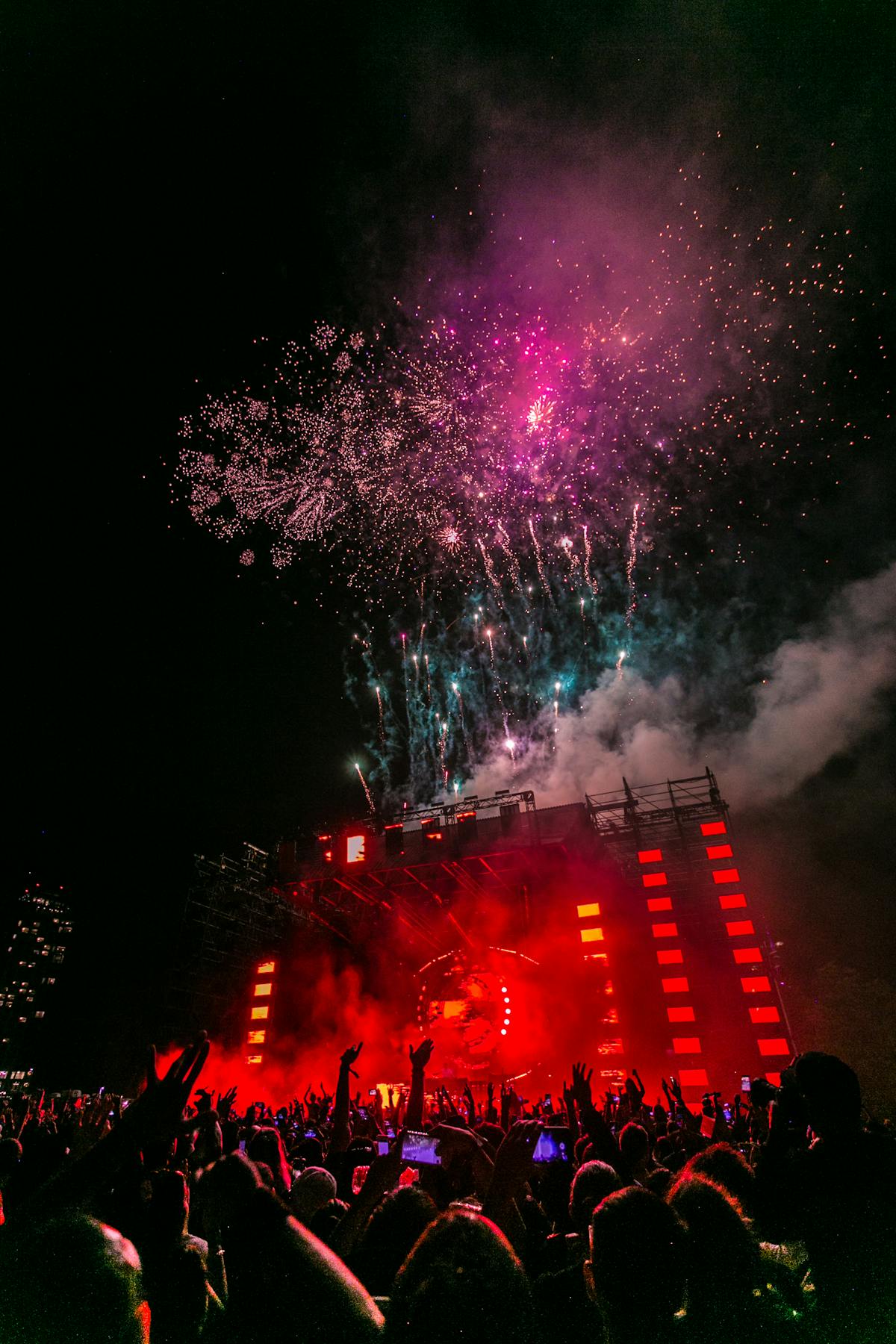
The address arrived by text message at 9 PM on a Saturday, roughly two hours before the party was scheduled to begin. It was a warehouse in East Williamsburg, on one of the industrial blocks between Flushing Avenue and the Brooklyn-Queens Expressway where the line between commercial and residential use has always been blurry. The instructions were specific: enter through the loading dock on the side street, not the front door. Leave your phone in a provided pouch at the entrance. Do not post anything on social media. If you were asked how you heard about the event, you were to say you knew the DJ personally.
This was February 2021, ten months into a pandemic that had officially shuttered every nightclub and bar in New York City. The restrictions were clear and, in most neighborhoods, enforced. Indoor gatherings were limited. Social distancing was the law. The city's nightlife, which generates an estimated $35 billion annually and employs more than 300,000 people, was in a state of suspended animation. Officially, the party was over.
Unofficially, the party had never stopped.
The Shadow Scene
The underground party circuit that operated throughout the pandemic lockdowns was not a new phenomenon. New York has always had an unsanctioned nightlife, from the Prohibition-era speakeasies to the illegal loft parties that incubated hip-hop in the South Bronx to the warehouse raves that defined the 1990s electronic music scene. What the pandemic created was not a new underground but a dramatically expanded one, fueled by the desperation of DJs, promoters, and partygoers who could not or would not accept the erasure of an essential part of their lives.
The events varied enormously in scale and sophistication. At the high end were professionally organized parties in rented warehouse and loft spaces, with sound systems borrowed or rented from shuttered clubs, sophisticated lighting rigs, and security teams at the door. These events typically drew between 200 and 500 people and charged admission ranging from $20 to $60, collected in cash to avoid the digital paper trail that a Venmo or credit card transaction would create.
At the other end of the spectrum were smaller gatherings in apartments and private homes, organized through group chats and word-of-mouth networks that were essentially invisible to authorities. A DJ with a modest speaker setup would host 30 or 40 friends in a Bushwick loft. A promoter with connections in the art world would stage a pop-up party in a vacant Chelsea gallery. These smaller events operated with relative impunity, their footprint too small to attract the enforcement attention that larger gatherings risked.
The Moral Calculus
The ethics of the underground party scene were debated furiously throughout the pandemic, both within the nightlife community and beyond it. The public health argument against large indoor gatherings during a respiratory pandemic was clear and, in the view of most epidemiologists, compelling. The events violated multiple city and state orders. They put attendees, and the people those attendees subsequently interacted with, at genuine risk.
The counterarguments, advanced by promoters and attendees, were less clear-cut but not without substance. Many pointed to the mental health crisis that accompanied the lockdown, particularly among young people living alone in small apartments. The underground parties, they argued, were not frivolous — they were a form of collective survival, a refusal to accept the total atomization of social life that the pandemic demanded. Others noted the economic desperation of DJs and promoters who had no other source of income and no access to the relief programs that were available to more conventional businesses.
Enforcement and Evasion
The city's enforcement efforts were inconsistent and, by most accounts, largely ineffective against the underground scene. The Sheriff's Office conducted periodic raids on larger events, issuing summonses and dispersing crowds. The most publicized bust occurred in December 2020, when authorities shut down a party in a Queens warehouse that was allegedly hosting over 200 people. But the enforcement resources were limited, and the cat-and-mouse dynamic favored the organizers, who could change locations, start times, and communication channels faster than the city could track them.
The experience of attending one of these events was unlike anything the pre-pandemic nightlife offered. The combination of secrecy, risk, and the sheer relief of being in a room full of people dancing to loud music created an intensity of experience that many attendees described in almost spiritual terms. The parties were not better than what the clubs had offered — the sound was often inferior, the spaces were raw, the amenities nonexistent. But they were charged with an urgency that transformed the act of dancing into something more significant than recreation.
As vaccines became available and the city began its gradual reopening in the spring and summer of 2021, the underground scene did not disappear so much as merge back into the legitimate nightlife landscape. Many of the promoters who had kept the scene alive during the lockdown transitioned their events into legal venues, bringing with them audiences that had been forged in the intensity of the underground. The experience left a permanent mark on the city's nightlife culture: a reminder that the desire for collective celebration is not a luxury but a need, and that when the official channels are closed, the unofficial ones will always find a way.