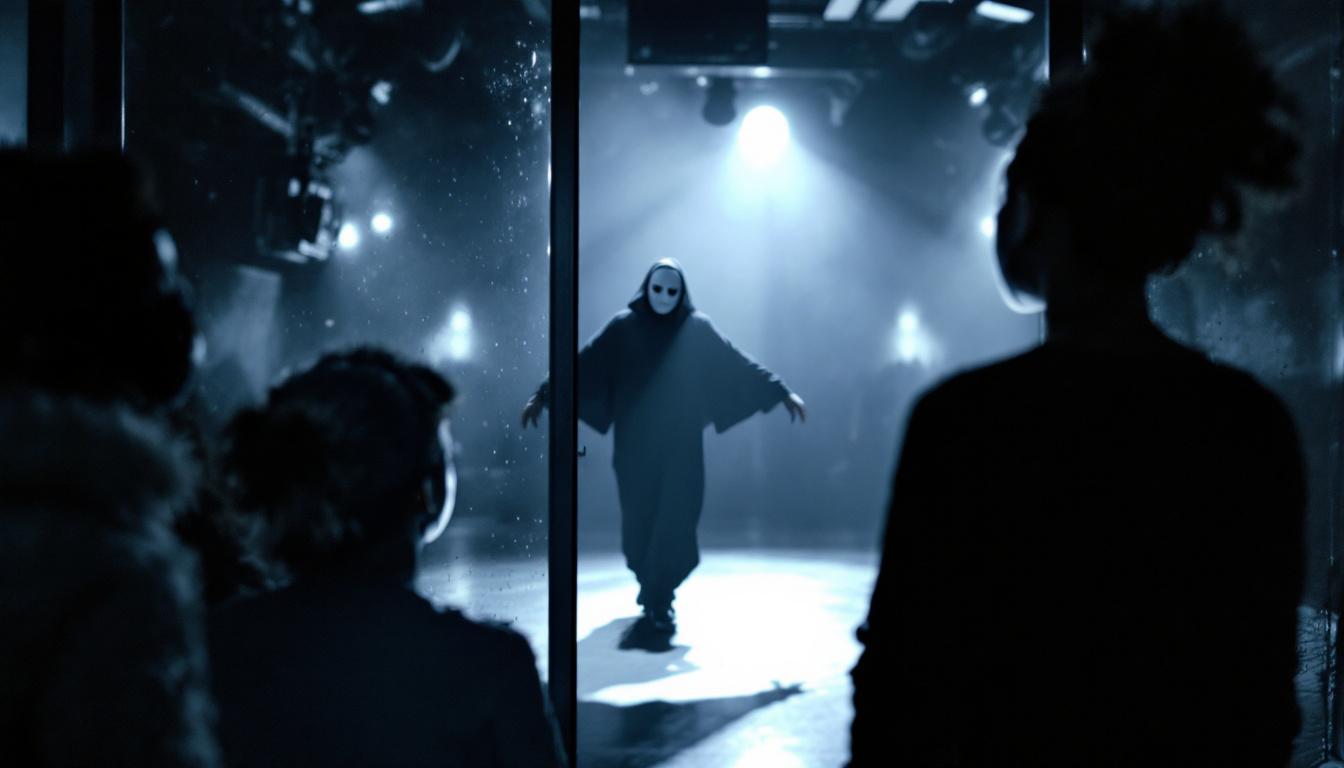
The theater world has buzzed with reverence for "Sleep No More" since its inception in 2011, a reverence that I, admittedly, was late to share. But upon my first encounter with this immersive masterpiece, I was enveloped in its peculiar magic—a magic that had me returning again and again, eager to uncover its layered intricacies before the curtain falls for the last time on January 5, 2025.
Entering "Sleep No More" is akin to stepping into a dreamscape where Macbeth’s tragedy is reimagined through the alluring lens of 1930s film noir. The absence of spoken words does nothing to diminish the narrative; instead, it beckons the audience to engage with a deeper, more primal form of storytelling. Each guest becomes both spectator and participant, weaving through the artfully curated chaos, piecing together snippets of intrigue and emotion that linger long after the experience ends.
As a latecomer, there was a sense of urgency in my explorations—an insatiable desire to absorb every nuance, to peer into every nook and cranny of this meticulously crafted world. The McKittrick Hotel itself is a marvel, a living organism that breathes life into the stories it houses. Every room tells its own tale, from the dusty library filled with tomes of forgotten lore to the hauntingly beautiful ballroom where time seems to stand still.
The legacy of "Sleep No More" extends beyond its groundbreaking approach to storytelling. It forever altered the landscape of immersive theater, proving that audiences were hungry for experiences that went beyond the passive consumption of art. Here, one is encouraged to become lost, to surrender to the unknown, and to revel in the sensory overload of sights, sounds, and textures that guide each personal journey.
Attending "Sleep No More" in its final months offered a unique perspective—one shared with other fervent admirers at the APPARITIONS farewell parties. These gatherings were a celebration of the show’s enduring spirit, filled with a community bound by shared encounters within the McKittrick's shadowy embrace. There was an unspoken camaraderie among us, a collective understanding of the ephemeral beauty we were fortunate to witness.
The impact of "Sleep No More" is undeniable, leaving an indelible mark on all those who have donned the iconic white masks and ventured into its enigmatic world. It is a testament to the power of art to transcend traditional boundaries, to challenge our perceptions, and to invite us into a realm where imagination reigns supreme.
As we bid farewell to this theatrical marvel, there is a sense of gratitude for the moments of wonder it bestowed upon us. For this latecomer, "Sleep No More" was a revelation—a hauntingly beautiful exploration of the human experience that will linger in memory long after the hotel’s doors close. Though my time with it was brief, it has left an everlasting impression, a reminder of the profound connections that art can forge in the unlikeliest of places.
And so, as the final chapter of "Sleep No More" draws to a close, we celebrate its legacy—its daring innovation, its immersive allure, and its gift of inviting us to lose ourselves, if only for a few precious hours, in the magic of theater.